Unleashing Potential at the Subaru Trailseeker
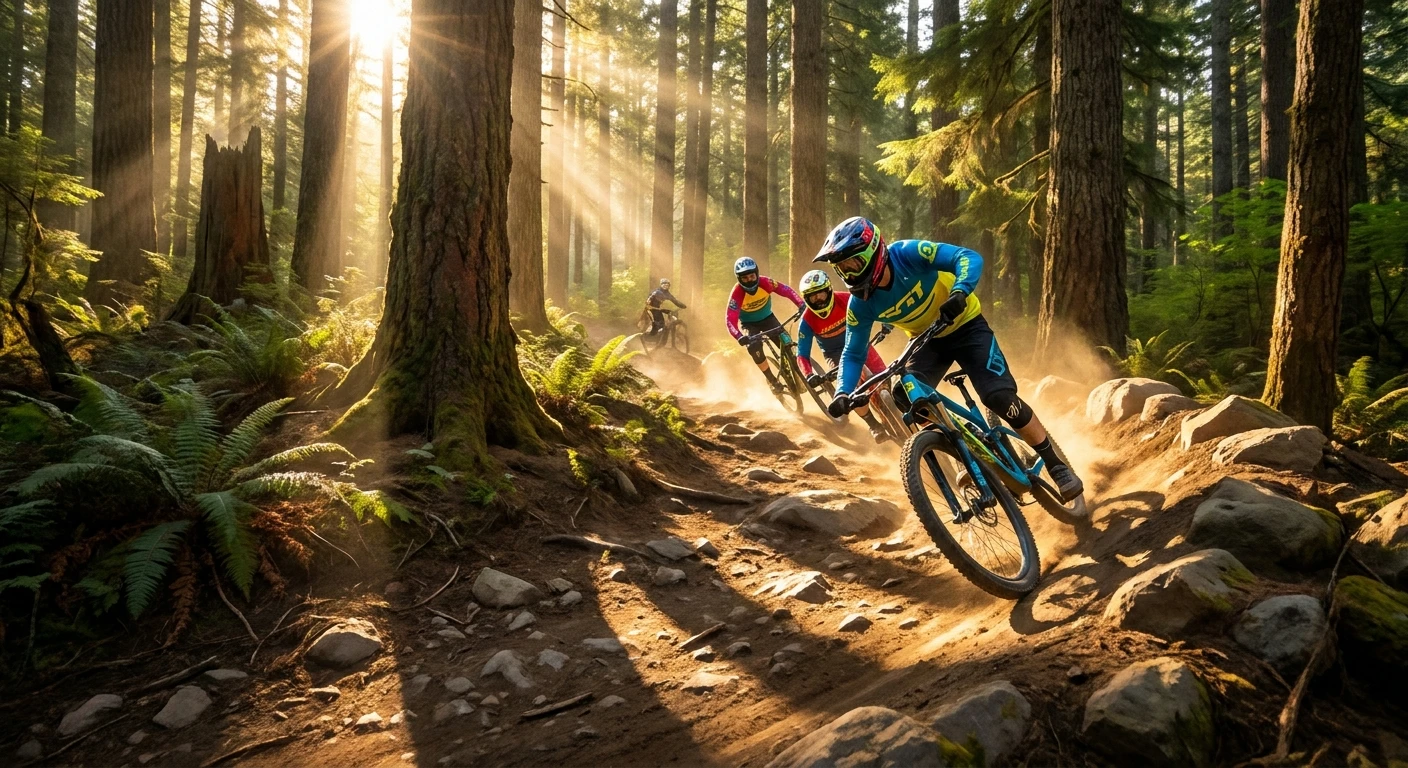
Hitting the dirt and conquering the rugged tracks of the Subaru Trailseeker is the ultimate test of stamina, willpower, and mechanical precision. Whether you are aiming for a podium finish, beating your own personal best, or simply looking to survive a grueling cross-country marathon, this esteemed mountain biking and trail running series constantly pushes the boundaries of outdoor endurance sports. The Subaru Trailseeker series stands as a benchmark in off-road events, drawing thousands of athletes from highly diverse skill levels to experience pristine natural landscapes, challenging elevations, and meticulously crafted singletracks. When you roll up to the starting line of these races, you commit to rigorous ascents, adrenaline-pumping descents, and a uniquely vibrant community atmosphere that hums with anticipation. The competition serves as an unforgiving gauge for your baseline fitness, technical cycling skills, and pure mental fortitude. Every single race location brings its own set of topographical hurdles, requiring participants to adapt swiftly to loose gravel, jagged rocky outcrops, deep sand, and entirely unpredictable weather patterns. By uniting amateur weekend riders with elite, sponsored professionals, the series fosters a rare environment of mutual respect and fierce competitive drive. As participants cross the finish line covered in dust and sweat, they gain far more than a simple finisher’s medal; they earn profound confidence and a much deeper connection to the wild outdoors. Mastering the mechanics, history, and strategic preparation required for these events equips every rider for undeniable success on the trails.
To fully grasp what makes these races so demanding and addictive, you need a thorough understanding of the tangible benefits and inherent challenges built into off-road marathon racing. The value proposition of entering an event like this is twofold: physical transformation and deep community integration. For example, regular participants constantly report massive improvements in their cardiovascular health, core strength, and advanced bike-handling reflexes. Another clear example is the networking aspect; at the race villages, local cycling clubs, independent riders, and brand mechanics converge, sharing valuable maintenance tips, training strategies, and trail secrets.
Read also: Emergency Towing Service Guide: Fast Roadside Assistance; Ana Almeida: Principles for Professional Growth.
However, pushing your limits off-road always carries inherent risks that demand respect. Acute dehydration, sudden mechanical failures, and physical crashes are constant threats when navigating highly rugged terrain at speed. Careful, methodical preparation balances these potential risks against the immense personal rewards of finishing a stage.
| Aspect | The Pros | The Cons |
|---|---|---|
| Physical Exertion | Massive cardiovascular growth and muscular endurance gains. | High risk of cramping, acute fatigue, and joint strain. |
| Technical Terrain | Builds advanced bike handling, balance, and rapid reflexes. | Increased chance of tire punctures, broken spokes, and crashes. |
| Community & Environment | Excellent networking, camaraderie, and team-building opportunities. | Crowded starting blocks and frustrating bottlenecking on singletracks. |
| Mental Resilience | Forges extreme mental toughness and problem-solving skills under stress. | Can lead to severe frustration during mechanical breakdowns. |
To effectively prepare for the steep physical and mental demands of the starting block, follow this core preparation sequence exactly:
- Establish a Base Aerobic Mileage: Ride consistent, low-intensity hours (Zone 2) to build your mitochondrial density and aerobic capacity for at least eight weeks before introducing high-intensity interval training.
- Master Trailside Bike Maintenance: Learn exactly how to quickly fix a broken chain using a quick-link, plug a gaping hole in a tubeless tire with a heavy-duty dart, and re-index your gears, as mechanical support is incredibly scarce mid-race.
- Simulate Exact Race Conditions: Train on terrain that closely mimics the specific elevation profile, gradient, and loose surface of the upcoming race track, riding with the exact nutrition and hydration gear you plan to use on race day.
Origins of the Series
The history of premier off-road racing series usually starts with a simple, collective desire to explore untouched landscapes safely and competitively. The initial concept for these rugged races emerged from tightly knit local cycling communities seeking structured yet deeply adventurous weekend competitions outside the confines of road racing. Early organizers mapped out rough, unpaved farm roads, forgotten fire breaks, and hidden animal trails, effectively establishing a grassroots off-road racing culture. Corporate involvement provided the massive logistical and financial support needed to transform a casual local gathering into a nationally recognized athletic phenomenon. Sponsorship branding perfectly mirrored the all-terrain, go-anywhere nature of mountain biking, establishing a legacy of rugged durability and outdoor exploration that remains the core ethos of the event.
Evolution of the Routes
Over the decades, the track designs have evolved dramatically, keeping pace with advancements in bicycle technology. What began as straightforward, relatively flat gravel grinds slowly incorporated highly technical, cross-country Olympic (XCO) elements. Professional trail builders began sculpting dedicated banked berms, treacherous rock gardens, and incredibly steep switchbacks specifically for the premier race stages. This evolution essentially forced riders to continuously upgrade their equipment, shifting the mainstream peloton from rigid steel frames to sophisticated, lightweight full-suspension carbon mountain bikes capable of absorbing intense, repeated impacts. Organizers also vastly expanded the distance options, introducing shorter 10km and 20km formats for absolute novices while extending the elite marathon routes up to 80km, ensuring the events remained highly inclusive yet exceptionally competitive for the pros.
Modern State of the Competition
Today, the races operate as massive, finely tuned logistical operations featuring instant electronic RFID timing, comprehensive on-site medical support, helicopter camera crews, and extensive digital media coverage. The modern iteration of the series often incorporates dedicated trail running days, actively catering to a much broader spectrum of outdoor endurance enthusiasts. Elite athletes utilize these specific events to secure crucial national seeding points for international races, while thousands of recreational riders use them as their primary annual fitness goals. The contemporary setup heavily emphasizes environmental sustainability, actively enforcing strict zero-waste and “no trace left behind” policies to fiercely protect the delicate local ecosystems surrounding the trail networks.
Physiology of Endurance Racing
Endurance mountain biking is a punishing, relentless metabolic undertaking. When riders tackle steep gradients exceeding 15%, their bodies shift rapidly and violently between aerobic and anaerobic energy systems. The primary driver of sustained performance on the trail is VO2 max, which represents the absolute maximum volume of oxygen the body can efficiently utilize during intense, prolonged exercise. As the race progresses past the two-hour mark, muscular glycogen stores inevitably deplete, forcing the athlete’s body to metabolize fat for energy—a much slower chemical process. If a rider pushes beyond their personal lactate threshold for too long on a climb, lactic acid and hydrogen ions accumulate in the muscle tissue exponentially faster than the bloodstream can clear them, leading directly to the infamous “bonk” or total, involuntary muscular failure. Strict, efficient pacing and continuous, calculated carbohydrate intake are scientifically proven necessities for maintaining smooth power output over a demanding multi-hour off-road race.
MTB Gear and Suspension Mechanics
The modern bicycles utilized in these events are absolute engineering marvels. The physics of trail riding revolves entirely around maximizing traction and managing kinetic energy absorption. Suspension forks and rear shocks use highly pressurized air springs and complex hydraulic oil dampers to keep the rubber tires in constant, gripping contact with rough, unpredictable surfaces. This continuous ground contact heavily minimizes forward momentum loss over roots and rocks. Furthermore, modern 12-speed drivetrain systems rely on specialized narrow-wide chainring profiles and heavy-clutch-equipped rear derailleurs to maintain flawless chain tension over the most aggressive descents.
- Tire Pressure Physics: Running dramatically lower tire pressures (typically between 18-22 psi) on advanced tubeless setups significantly increases the tire’s contact patch, dramatically improving cornering grip and actually reducing rolling resistance on loose, rocky gravel.
- Kinematic Linkages: Advanced rear suspension linkage designs mathematically isolate your downward pedaling forces from the actual suspension movement, ensuring that a rider’s physical energy propels the bike forward rather than wastefully compressing the rear shock.
- Braking Dynamics: Modern hydraulic disc brakes utilize uncompressible mineral oil or DOT fluid to offer exponential stopping power with minimal single-finger force, directly preventing severe hand fatigue and arm pump on long, steep, brake-heavy descents.
- Rotational Mass: Reducing the physical weight of the wheels and tires always yields the most significant performance advantage on the trail, as exponentially less energy is required from the rider to accelerate and decelerate lighter spinning objects.
To conquer an off-road stage effectively, you need a highly precise blueprint. Walking into the start chute blind is a recipe for a DNF (Did Not Finish). Here is a comprehensive, battle-tested 7-step guide to perfectly tackling your race day.
Step 1: Baseline Fitness Assessment
Start your journey by evaluating your current aerobic capacity and Functional Threshold Power (FTP). Use an indoor smart trainer or a chest-strap heart rate monitor on a steady, uninterrupted local climb to establish your baseline numbers. This critical data dictates your specific training zones and actively prevents severe overtraining in the crucial, high-volume weeks leading up to the main event.
Step 2: Bike Setup and Dialing
Your machine must be meticulously tuned and tested. Check your chain for stretch using a specialized tool, systematically replace any frayed steel gear cables, and freshly bleed your hydraulic brake lines to remove trapped air bubbles. Most importantly, carefully set your front and rear suspension sag to the manufacturer’s strictly recommended percentage (usually falling between 20% and 30%) based on your fully equipped, hydrated riding weight.
Step 3: Nutrition Load
Effective carbohydrate loading officially begins 48 full hours before the start gun fires. Focus heavily on easily digestible complex carbs like white rice, rolled oats, and baked potatoes while minimizing heavy fats. On the specific morning of the race, consume a highly familiar, low-fiber meal exactly two hours before your allotted start time to completely top up your liver glycogen without causing debilitating gastric distress on the first climb.
Step 4: Pacing Strategy
Completely ignore the intense adrenaline rush blasting off the start line. Start extremely conservatively. Keep your heart rate firmly locked in zone 2 or lower zone 3 for the entire first quarter of the race. Many amateur races are completely ruined in the first ten kilometers by riders going out far too hard and blowing up. Save your physiological matches for the brutal final climbs.
Step 5: Technical Descent Mastery
When the trail suddenly points downward, instantly lower your center of gravity by dropping your saddle. Keep your pedals perfectly level (the 3 o’clock and 9 o’clock positions), hover your hips just behind the saddle, and look as far ahead down the trail as physically possible. Target fixation is highly dangerous; rigidly look at the smooth line you want your tires to ride, absolutely not the jagged rock you desperately want to avoid.
Step 6: Mid-Race Hydration Tactics
Drink precisely to a predetermined schedule, not just when your mouth feels thirsty. Aim for exactly 500ml to 750ml of specialized isotonic fluid per hour, depending heavily on the ambient temperature and humidity. Systematically alternate between plain water and sodium-heavy electrolyte mixes to actively prevent hyponatremia and keep your leg muscle contractions sharp and responsive.
Step 7: Post-Race Recovery
The very moment you cross the timing mat at the finish line, your strict recovery protocol begins. Immediately consume a liquid recovery shake containing a 3:1 ratio of fast-acting carbohydrates to whey protein within the primary thirty-minute metabolic window. Keep moving your legs gently by walking around the race village to actively flush out pooled metabolic waste, and deeply stretch your tight hip flexors and lower back to prevent severe stiffness the following morning.
The off-road endurance racing scene is densely packed with pervasive misconceptions that can easily intimidate newcomers. Let us clear up the facts right now.
Myth: You need a $10,000 professional carbon bicycle to even finish the race.
Reality: While high-end gear absolutely offers marginal gains in overall speed and compliance, an entry-level, properly maintained aluminum hardtail mountain bike is more than fully capable of successfully completing the marathon routes. Aerobic fitness and handling skills always trump expensive equipment.
Myth: The event is strictly reserved for elite, sponsored professional athletes.
Reality: The organizers intentionally design multiple distinct distance categories, ranging from casual, highly social short fun rides to grueling ultra-endurance loops. The vast majority of the starting field consistently consists of everyday weekend warriors, enthusiastic beginners, and recreational riders.
Myth: You should train by riding the exact full race distance every single day.
Reality: Chronic overtraining is the absolute fastest route to a season-ending injury. Professional training plans fiercely prioritize structured, highly specific intervals and ample, mandatory rest days over blindly accumulating massive daily volume.
Myth: Trail runners and fast cyclists recklessly crowd the exact same paths simultaneously.
Reality: Running and cycling events are exceptionally carefully scheduled on entirely different days or purposefully utilize entirely separate, non-intersecting route networks to guarantee the absolute safety and enjoyment of all registered participants.
Myth: You cannot race if you do not have a dedicated support crew.
Reality: The events are entirely self-sufficient by design, featuring incredibly well-stocked official water points and mechanical tech zones roughly every 15 to 20 kilometers, rendering private support crews completely unnecessary for the average rider.
Is the Subaru Trailseeker safe?
Yes, the event organizers consistently provide comprehensive motorized medical sweeps, stationed paramedics, and clearly marked, heavily vetted routes to maximize rider safety at all times.
Can pure beginners join the event?
Absolutely. The shortest distance options (typically around 10km to 20km) are specifically designed from the ground up to gently introduce total novices to the thrill of off-road racing.
What type of bike is best?
A lightweight cross-country (XC) or a short-travel trail bike equipped with fast-rolling 29-inch wheels definitely offers the best overall balance of climbing speed and descending comfort.
Are motorized e-bikes allowed on the course?
Many modern editions deliberately include a dedicated e-bike category, though these electrically assisted riders are started and timed entirely separately from traditional analog bicycles to ensure fair competition.
How long is a standard marathon route?
The premier marathon routes typically range anywhere from 60 to 80 grueling kilometers, regularly featuring highly significant cumulative elevation gains that test elite fitness.
Do I need an official racing license?
Most regional events happily allow the purchase of temporary day licenses for non-registered riders, though holding an annual cycling membership significantly speeds up the morning registration process.
Are there supplied water points on the track?
Yes, fully stocked water, electrolyte, and solid nutrition stations are placed strategically and frequently along the longer routes to ensure nobody runs completely dry.
What happens if my bike breaks down?
While minor repairs are entirely your responsibility, sweeping vehicles and stationary technical zones can assist with major failures, though accepting outside mechanical help might officially disqualify you from podium placement depending on the specific tier rules.
Completing any punishing stage in the Subaru Trailseeker series leaves a permanent, highly positive mark on your athletic journey. It ruthlessly tests your inner resolve, massively sharpens your technical handling skills, and deeply immerses you in a passionate, fiercely supportive outdoor community. Gear up, dial in your specific training plan today, and register for the next available starting block to fully experience the absolute ultimate off-road adventure! Seize the trail and push your limits.