
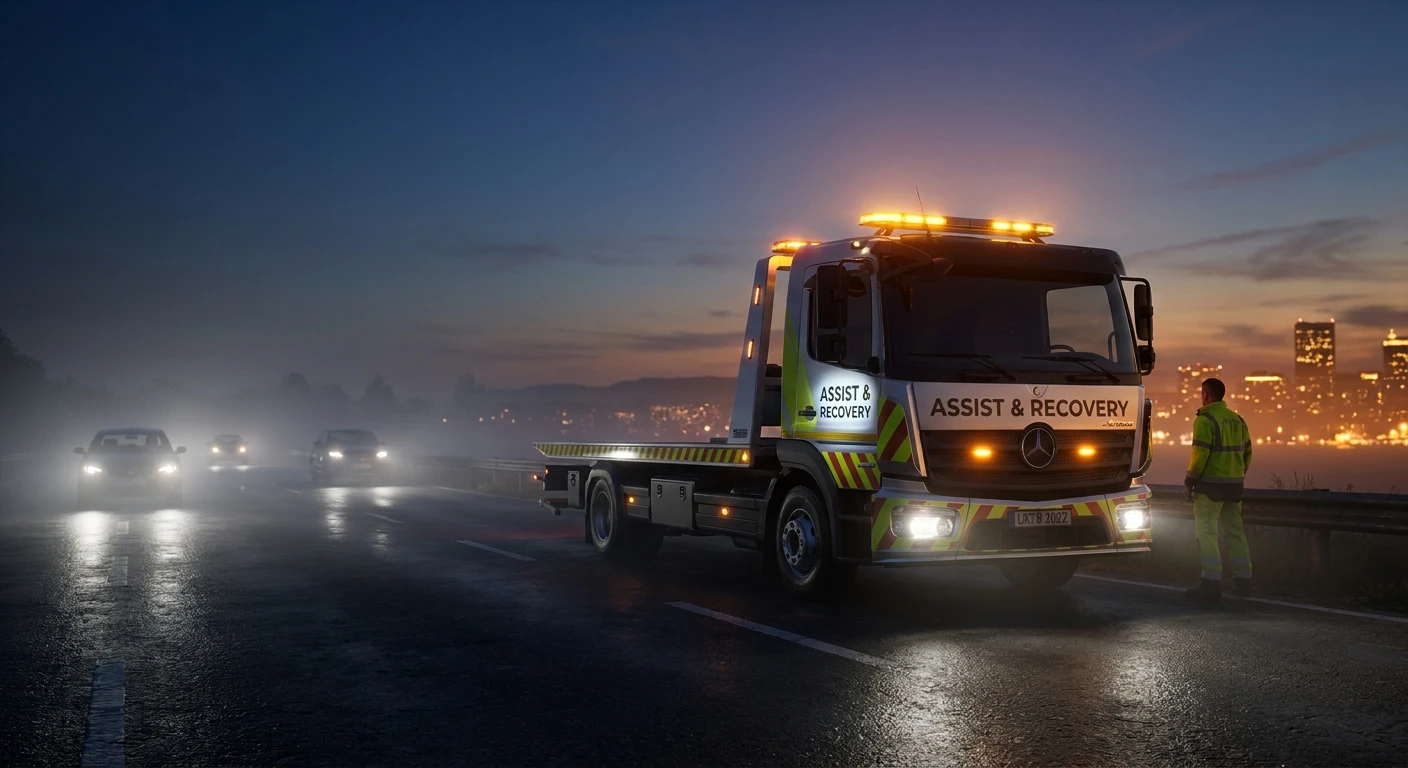
Understanding Professional Towing Service Dynamics
When a vehicle breaks down unexpectedly, securing a professional towing service becomes the immediate priority for roadside safety and efficient vehicle recovery. A modern towing service is far more than just a standard truck equipped with a winch; it represents a highly coordinated system of rapid logistics, specialized heavy machinery, and extensively trained operators working together to clear hazardous roadways and assist drivers in distress. Every single day, thousands of passenger cars, commercial transport vehicles, and motorcycles require extraction from dangerous situations caused by severe mechanical failures, unpredictable collisions, or extreme weather conditions. Understanding exactly how this vital automotive support network operates provides motorists with the necessary knowledge to make informed, safe decisions during high-stress roadside emergencies. The intricate mechanics behind moving a disabled two-ton machine safely involve strict adherence to the laws of physics, specific weight distribution protocols, and rapid-response communication networks that connect dispatchers with fleet operators in real-time. This comprehensive guide details the core functions of roadside recovery, breaking down the specialized machinery utilized by contemporary dispatchers and professional drivers. By examining the historical progression of vehicle extraction, the technical specifications of modern flatbeds, and the actionable steps required to effectively engage a recovery team, motorists can much better navigate sudden automotive failures. Whether dealing with a simple flat tire on an isolated rural highway or a complex multi-vehicle incident within a heavily congested urban intersection, knowing the precise operational framework of vehicle transport ensures a significantly safer, far more efficient resolution to any vehicular crisis.
The Core Mechanisms of Vehicle Recovery
The primary value of a dedicated vehicle recovery operation lies directly in its unmatched ability to mitigate secondary accidents while simultaneously preventing further mechanical damage to a completely disabled automobile. A specialized transport team provides immense utility through rapid scene clearance, which drastically reduces dangerous traffic bottlenecks and dramatically lowers the likelihood of subsequent rear-end collisions. Evaluating the specific equipment used reveals how different scenarios dictate different operational tactics. For example, if a modern vehicle suffers a locked automatic transmission on a busy interstate, attempting to push or drag it with an unequipped passenger car often results in catastrophic drivetrain damage and extreme safety hazards. Conversely, an operator utilizing a hydraulic rollback flatbed carrier lifts the entire disabled vehicle completely off the ground, preserving the internal mechanics and keeping the structural integrity completely intact throughout the journey. Another clear example is extracting an off-road utility vehicle from a deep embankment; utilizing a specialized heavy-duty rotator truck ensures the vehicle is lifted completely vertically without aggressively dragging the fragile undercarriage over jagged rocks, thereby preventing severed brake lines or punctured oil pans.
Read also: Expert Furnasman Heating and Air Conditioning; Ultimate relaxation spa Guide For Deep Nervous Recovery.
Here is a detailed breakdown of the primary equipment categories utilized by recovery professionals:
| Truck Classification | Estimated Weight Capacity | Primary Operational Use Case |
|---|---|---|
| Hydraulic Flatbed (Rollback) | Up to 10,000 lbs | All-wheel-drive vehicles, severe collisions, electric vehicles |
| Integrated Wheel-Lift | Up to 7,000 lbs | Tight urban spaces, parallel parking extraction, short-distance transport |
| Heavy Duty Rotator Crane | Up to 70 tons | Overturned tractor-trailers, commercial buses, industrial machinery |
When engaging highly trained recovery professionals, several distinct benefits immediately become apparent to the stranded motorist:
- Immediate Hazard Mitigation: High-visibility recovery trucks and brightly clothed personnel create a highly visible physical safety buffer between disabled motorists and flowing highway traffic, dramatically lowering immediate collision risks.
- Mechanical Preservation Protocols: Operators exclusively utilize premium nylon V-straps, strictly regulated eight-point tie-downs, and custom wheel nets to firmly secure the vehicle chassis without bending control arms or damaging delicate suspension components.
- Comprehensive Liability Protection: Fully licensed transport companies inherently carry substantial cargo and liability insurance, meaning any rare incidental damage incurred directly during transit is financially covered, unlike highly dangerous informal towing attempts performed by untrained bystanders.
- Environmental Hazard Containment: Professional recovery units carry specialized absorbent materials to manage hazardous chemical spills, preventing toxic engine oil or engine coolant from entering local municipal drainage systems.
Origins of Vehicle Extraction Systems
The fundamental concept of successfully moving disabled vehicles dates back to the very invention of the mass-produced automobile. In 1916, a dedicated garage worker named Ernest Holmes from Chattanooga, Tennessee, spent eight grueling hours using wooden blocks, heavy ropes, and the combined manual strength of six men to pull a crashed Ford Model T completely out of a deep creek bed. Recognizing the extreme physical inefficiency of this intense manual labor, Holmes engineered the absolute first dedicated recovery vehicle. He resourcefully mounted a heavy-duty chain-and-pulley system directly onto a heavily modified 1913 Cadillac chassis, successfully creating a functional, albeit rudimentary, mechanical advantage. This groundbreaking invention sparked the immediate commercialization of roadside transport, officially shifting the heavy burden of vehicle recovery away from passing strangers and placing it directly into the hands of dedicated mechanical professionals.
Evolution of Transport Equipment
Throughout the mid-20th century, the automotive recovery industry heavily relied on the traditional hook and chain method. While highly effective for aggressively dragging heavy, solid steel-framed cars completely out of deep ditches, this brute-force approach frequently caused significant aesthetic scratching to chrome bumpers and frequently bent solid steel axles. As global automotive engineering rapidly shifted toward lightweight unibody construction and fragile plastic front fascias throughout the 1980s, the traditional hook and chain method quickly became entirely obsolete for standard passenger transport. The industry rapidly pivoted toward the revolutionary wheel-lift system, which securely supported the vehicle’s drive tires on heavy metal yokes, completely minimizing any physical contact with the car’s fragile painted body. Simultaneously, hydraulic rollback flatbeds gained immense global popularity, perfectly allowing operators to seamlessly tilt a massive steel deck completely to the ground and smoothly pull a disabled vehicle completely onto the safe truck chassis using a mechanical winch system.
Modern State of the Logistical Network
Currently, the transport and recovery sector stands as a highly technical, multibillion-dollar global logistical network. Modern centralized dispatch centers extensively utilize precise GPS tracking, highly automated routing algorithms, and comprehensive digital dispatch systems to dramatically minimize emergency response times. Contemporary recovery trucks feature incredibly complex hydraulic PTO (Power Take-Off) systems and highly advanced remote-controlled winches. Furthermore, modern heavy-duty rotators now proudly boast 360-degree pivoting hydraulic cranes fully capable of safely lifting fully loaded commercial semi-trailers directly over elevated highway overpasses. Additionally, the massive global shift toward electric vehicles (EVs) has forcefully introduced strict new transport protocols, as modern EVs absolutely cannot be dragged without causing immediate, catastrophic battery and electric motor damage, decisively making flatbed transport the undisputed standard in current roadside operations.
The Physics of Winching and Rigging
Safely moving a heavy, entirely non-operational metallic object requires a very strict application of advanced physics, specifically focusing on mechanical advantage and strategic load distribution. When an operator prepares to actively extract a deeply stuck vehicle, they must quickly calculate the rolling resistance, gradient resistance, and overall damage resistance. Gradient resistance specifically refers to the massive extra physical force directly required to pull a heavy object up a steep slope, while damage resistance strictly accounts for damaged wheels that completely refuse to turn due to firmly locked brakes or severely severed axles. To successfully overcome these immense forces, transport trucks utilize a heavy-duty planetary gear winch directly powered by the truck’s massive transmission via a high-pressure hydraulic pump. By carefully threading a thick steel wire rope directly through a snatch block (a highly specialized heavy-duty pulley), the operator can instantly double the exact pulling power of the motorized winch. This incredibly simple yet brilliant application of physics exactly halves the actual line speed but exponentially increases the raw pulling torque, perfectly allowing a relatively small hydraulic motor to easily dislodge a massive vehicle deeply embedded in thick mud or compacted snow.
Hydraulic Mechanics and Load Limits
The absolute mechanical backbone of any modern transport fleet is sophisticated fluid power. Professional hydraulics purely operate on Pascal’s Principle, which firmly states that pressure applied to a fully confined fluid transmits exactly equally in all possible directions. By forcefully pumping thick hydraulic oil directly into heavy solid steel cylinders, operators can effortlessly lift disabled vehicles weighing thousands of solid pounds.
- Tensile Strength Engineering: The thick wire ropes frequently utilized on standard wreckers are specifically engineered to easily withstand extreme physical tension, typically precisely rated for a Working Load Limit (WLL) of well over 4,000 pounds, completely featuring a raw breaking strength three full times that specific amount to actively prevent catastrophic cable snapping.
- Center of Gravity Calculations: Proper mechanical loading strictly requires perfectly centering the disabled vehicle’s incredibly heavy engine weight slightly directly ahead of the flatbed’s solid rear axle to completely maintain critical steering traction on the actual tow truck itself.
- Frictional Coefficients: Extremely wet or highly icy recovery environments drastically lower the critical static friction precisely between the rubber tires and the solid road surface, firmly requiring the operator to heavily anchor the entire truck using massive hydraulic spades dug directly into the solid asphalt.
Step 1: Secure Your Immediate Surroundings
The absolute first priority during any unexpected automotive breakdown is strict physical safety. Instantly activate your bright hazard lights, carefully steer the disabled vehicle as far onto the right solid shoulder as humanly possible, and firmly engage the emergency parking brake. If heavily stranded on a high-speed interstate highway, strictly exit on the passenger side entirely away from flowing traffic to thoroughly avoid being struck by passing vehicles.
Step 2: Assess the Vehicle Condition
Briefly but thoroughly determine exactly why the specific vehicle is completely immobilized. Carefully note if the rubber tires are fully intact, if dangerous chemical fluids are heavily leaking, or if the internal steering wheel is completely locked. This highly specific mechanical information strictly helps the central dispatch center immediately send the absolute correct type of heavy equipment, strictly ensuring a flatbed is dispatched rather than a completely inappropriate standard wheel-lift.
Step 3: Identify Your Exact Location
Extreme geographical precision is absolutely vital for a highly rapid emergency response. Quickly check advanced smartphone map applications for the absolute nearest exact mile marker, precise highway exit number, or specific local cross street. Accurately providing a highly precise digital GPS pin drastically reduces the exact amount of time a professional driver needlessly spends blindly searching a massive dark highway.
Step 4: Contact the Dispatch Center
Immediately call a fully licensed transport provider and very clearly state your exact physical location, specific vehicle make, precise model, and current mechanical condition. Strongly ask for a highly accurate estimated time of arrival (ETA) and the exact specific name of the assigned professional company or exact driver assigned to the emergency call to thoroughly avoid highly unauthorized, dangerous “bandit” towers scanning local police frequencies.
Step 5: Prepare the Vehicle for Transport
While patiently waiting safely away from traffic, carefully remove all highly important personal belongings, heavy house keys, thick physical wallets, and highly vital legal documents directly from the disabled vehicle. Once the broken car is heavily secured high onto the metal carrier bed, safely accessing the internal cabin becomes incredibly difficult and highly physically dangerous.
Step 6: Verify Operator Credentials
When the heavy truck finally arrives, thoroughly verify the painted company name perfectly matches the official dispatcher’s exact information. A highly professional operator will very gladly present official state identification and clearly, calmly explain exactly how they fully intend to safely load and tightly secure your very specific type of disabled vehicle.
Step 7: Review the Final Invoice
Before ever signing the legal transport authorization document, closely review the exact itemized financial breakdown. Ensure you completely understand the base hook-up fee, the exact per-mile transit rate, and any highly specific additional operational charges for complex winching or overnight facility storage. Strictly retain a pristine physical or clear digital copy for rapid auto insurance reimbursement claims.
Debunking Common Industry Myths
Myth: Any standard truck can easily safely transport an all-wheel-drive (AWD) vehicle.
Reality: Aggressively dragging any AWD vehicle with just two wheels directly on the moving ground can instantly, permanently destroy the expensive center differential and internal transmission. AWD vehicles strictly require a hydraulic flatbed carrier or highly specialized mechanical dollies positioned under all four rolling tires.
Myth: Roadside assistance companies intentionally damage vehicles to heavily increase their specific repair costs.
Reality: Highly professional transport operators strictly rely entirely upon their excellent community reputation and massive cargo insurance policies. Any intentional physical damage heavily results in immediate severe liability claims, massive municipal contract losses, and extreme legal repercussions. Their singular strict goal is an entirely damage-free extraction.
Myth: A significantly heavier tow truck is absolutely always much better for the specific job.
Reality: Needlessly using a massive heavy-duty 50-ton industrial rotator exactly for a tiny compact passenger sedan is incredibly financially inefficient, massively expensive, and completely causes completely unnecessary highway traffic blockages. The specific heavy tool must perfectly match the precise specific job.
Myth: You are strictly required to ride directly in the main cab of the truck precisely with your towed vehicle.
Reality: Many professional dispatch companies actually strictly prohibit random passengers directly in the operating cab purely for strict liability insurance reasons. Motorists are highly often legally required to actively secure alternative safe transportation, exactly such as a modern rideshare, directly to their safe home or the specific chosen repair facility.
Frequently Asked Questions
How much does standard transport usually cost?
Basic operational base fees typically strictly range directly from $50 to well over $100, firmly plus an additional highly specific per-mile transit charge heavily varying exactly by local legal jurisdiction and the exact time of day.
Does standard auto insurance fully cover the heavy expense?
Many highly comprehensive auto insurance policies frequently include highly optional roadside assistance policy add-ons that rapidly directly reimburse massive out-of-pocket emergency transport costs entirely.
Can a severely lowered modified car be moved completely safely?
Yes, highly trained professionals regularly utilize highly specialized long wooden ramps and massively extended smooth race-ramps to flawlessly achieve the absolute necessary safe approach angle completely without severely damaging the fragile front bumper.
What specifically happens if I am in a major traffic accident?
Local police forces usually strictly dispatch a contracted municipal rotation truck strictly to clear the blocked roadway absolutely immediately, but you typically firmly maintain the exact legal right to rapidly request a preferred specific private company if exact safe time strictly permits.
Do trained operators continually work heavily during severe weather?
Yes, these massive heavy fleets strictly operate completely around the clock, 24/7. However, highly extreme snowy blizzards or massive flooding hurricanes may heavily safely delay precise response times entirely due to extremely high local call volume.
Can a heavy electric vehicle (EV) be safely towed firmly on its own wheels?
Absolutely no, modern EVs entirely lack a traditional true neutral mechanical gear that completely safely disconnects the powerful electric motors. They strictly must be carefully transported exclusively on a flatbed strictly to thoroughly avoid generating highly damaging stray electric currents.
Exactly how far can a fully disabled vehicle logically be transported?
There is absolutely no strict physical distance limit. Massive long-distance inter-state transport is extremely common, though specific financial transit costs heavily increase substantially directly for massively long interstate highway journeys.
When frightening automotive failures suddenly occur, thoroughly understanding the deep mechanical realities, extensive rich history, and highly strict safety protocols of a professional towing service completely ensures you entirely remain totally safe and your precious vehicle remains entirely undamaged. Thorough mental preparation and deep technical knowledge are absolutely your absolute best protective defenses firmly against massive roadside anxiety. Highly safely save a thoroughly trusted local emergency dispatcher directly in your main smartphone contacts absolutely today strictly to completely ensure you are entirely never completely stranded helplessly without a highly reliable, incredibly fast mechanical backup plan!