
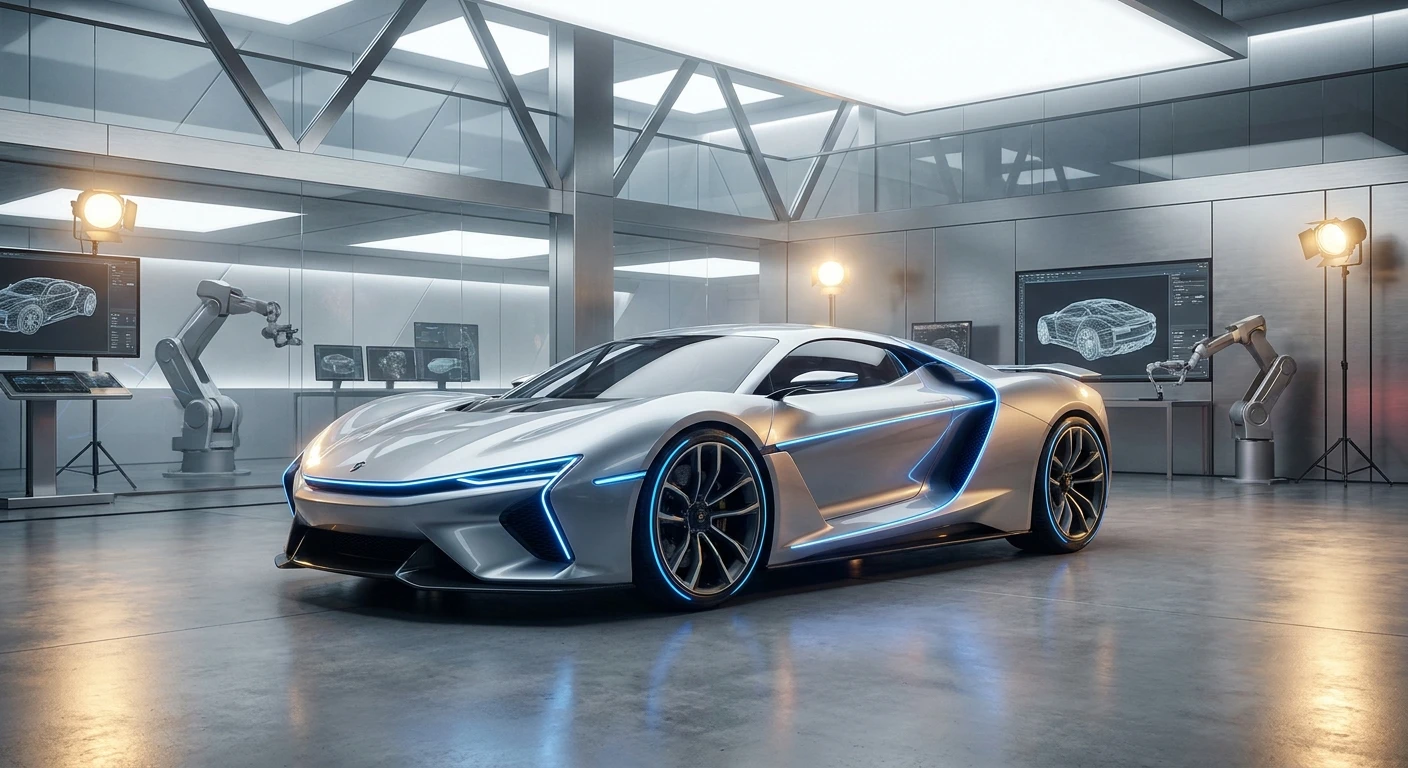
The Exact Aston Martin Valhalla Price and What It Means for Buyers
Everyone in the automotive community is currently debating the Aston Martin Valhalla price and asking whether this mid-engine hybrid hypercar truly justifies its massive financial barrier to entry. We are looking at a base cost hovering around the $800,000 mark, though with bespoke customizations, that number easily eclipses $1,000,000. This is not just another weekend sports car; it is a meticulously engineered piece of functional art designed to dominate both the track and the high street. By positioning this vehicle directly between their standard front-engine grand tourers and the absolutely extreme Valkyrie, the British manufacturer has created a unique tier of performance. The financial commitment required to obtain one reflects a fundamental shift in how high-end manufacturers package Formula 1 technology for road use.
To fully grasp the magnitude of this vehicle, you have to look past the initial window sticker. Buyers are exchanging capital for access to top-tier aerodynamics, carbon fiber architecture, and powertrain components directly derived from motorsport. When you evaluate the market landscape of hybrid hypercars, the valuation starts to make logical sense. Competitors charge similar premiums, yet few offer the distinct blend of British design elegance paired with brutal, uncompromising track capability. You are paying for a meticulously calibrated driving dynamic that bridges the gap between a pure combustion engine’s raw emotion and instant electric torque delivery.
Read also: Inside the most expensive house in canada; Magnolia Construction Guide and Expert Advice.
Understanding the True Value Proposition
Breaking down the financial logic behind this vehicle requires analyzing the exact hardware you receive. The carbon fiber monocoque chassis alone represents an astronomical research and development cost, designed to keep weight at an absolute minimum while maximizing structural rigidity. When comparing it to other vehicles in the upper echelon of the hypercar segment, the financial positioning becomes much clearer. Below is a factual breakdown of how it stands against its closest rivals in the exotic hybrid sector.
| Hypercar Model | Estimated Base Price | Powertrain Architecture |
|---|---|---|
| Aston Martin Valhalla | $800,000 | PHEV Twin-Turbo V8 |
| Ferrari SF90 Stradale | $524,000 | PHEV Twin-Turbo V8 |
| Mercedes-AMG One | $2,720,000 | F1-Derived V6 Hybrid |
The premium attached to this specific model is justified through several highly specific engineering achievements. The value proposition extends far beyond mere acceleration times; it is about the sustained delivery of power and the exclusivity of the production run. The ownership experience is tailored to provide a direct connection to the pinnacle of motorsport engineering. Here are the core factors driving the valuation:
- Formula 1 Aerodynamic Integration: The vehicle generates massive downforce without relying solely on massive, drag-inducing rear wings, utilizing underbody airflow management instead.
- Bespoke Powertrain Synergy: The combination of the flat-plane crank V8 and twin electric motors provides instant torque vectoring, completely eliminating turbo lag.
- Strictly Limited Production: Capped at just 999 units globally, the strict supply ensures long-term valuation stability and extreme exclusivity for the owners.
Beyond these mechanical benefits, owners gain entry into a highly exclusive tier of customer programs. You are not simply buying a rapid machine; you are acquiring a piece of the brand’s contemporary racing legacy. The engineering tolerances required to mate a high-revving combustion engine with high-voltage battery systems demand flawless manufacturing processes, which inherently drives up the final cost.
Origins of the Valhalla Concept
The story began under the codename Project 003. It was initially conceived as a direct offspring of the Valkyrie project, which was developed in close collaboration with Red Bull Advanced Technologies. The original intent was to create a slightly more usable, road-focused counterpart to the Valkyrie’s uncompromising track nature. Early concepts featured a heavily stylized exterior that immediately communicated its mid-engine layout, a radical departure for a brand historically known for sweeping front-engine grand tourers. The initial reception was overwhelmingly positive, proving that traditional buyers were ready for a dramatic evolution in brand identity.
Evolution from Concept to Production
As development progressed, the engineering parameters experienced significant shifts. The most notable change occurred in the engine bay. The original plan called for an in-house developed 3.0-liter turbocharged V6 engine. However, as the automotive landscape shifted and internal strategies were realigned, the engineering team pivoted. They secured a highly potent 4.0-liter twin-turbocharged V8 sourced from Mercedes-AMG, modifying it specifically for this application with a bespoke flat-plane crankshaft. This pivot ensured proven reliability while still delivering the aggressive acoustic profile and high-revving characteristics expected from a top-tier exotic.
The Modern State of Aston’s Mid-Engine Dream
Fast forward to the current state of production, and the vehicle represents the absolute spearhead of the company’s transition into an electrified future. The final production-spec vehicle maintains the dramatic proportions of the original concept but features highly refined aerodynamic surfaces. It stands as a testament to the brand’s resilience and commitment to competing directly against established mid-engine Italian stalwarts. Deliveries command intense media attention, and the hypercar has successfully cemented the manufacturer’s status as a serious contender in the hybrid performance space.
Aerodynamics and Downforce Generation
The aerodynamic philosophy revolves around generating massive amounts of downforce without creating excessive drag. Taking direct cues from track engineering, the bodywork acts as a perfectly sculpted airflow management system. The prominent front splitter, deep side skirts, and aggressive rear diffuser work in harmony to create a low-pressure zone beneath the vehicle, effectively sucking the car onto the tarmac. Active aerodynamic elements in the front and rear automatically adjust their angles based on speed, steering input, and braking pressure. This active management ensures the driver has optimal grip during high-speed cornering while still allowing for a slippery, low-drag profile on long straightaways.
The Flat-Plane Crank V8 Hybrid Architecture
At the heart of the chassis sits the highly modified 4.0-liter twin-turbo V8, featuring a flat-plane crankshaft designed to allow the engine to rev with ferocity. This combustion engine sends power exclusively to the rear wheels. However, the true brilliance lies in the hybrid system. Two electric motors—one on the front axle and one integrated into the transmission—provide instant torque. The front motor enables precise torque vectoring, pulling the front end through corners with absolute precision while providing an electric-only driving mode for quiet city navigation. The complex interaction between the electric motors and the V8 is managed by a sophisticated electronic control unit, ensuring seamless power delivery.
- The internal combustion engine alone revs to a blistering 7,200 rpm, delivering a distinct, motorsport-inspired exhaust note.
- The 400-volt battery architecture provides rapid charging and discharging capabilities necessary for sustained track performance.
- Total system output exceeds 900 horsepower, creating an astonishing power-to-weight ratio.
- The eight-speed dual-clutch transmission has no mechanical reverse gear; the vehicle reverses entirely using electric motor power to save weight.
- At 150 mph, the carefully sculpted body and active surfaces generate over 600 kilograms of aerodynamic downforce.
Step 1: Secure Your Allocation Slot
Purchasing a vehicle in this price bracket requires more than just capital; it requires a pre-existing relationship with the dealer network. The first step involves contacting a certified brand dealership to express interest and place a substantial deposit. Because production is strictly limited to 999 units, factory allocations are carefully managed and often prioritized for clients who have an established history of purchasing flagship models from the manufacturer.
Step 2: Define Your Exterior Carbon Package
Once your allocation is locked in, the specification process begins. Buyers must choose how much exposed carbon fiber they want on the exterior. The options range from subtle gloss-finished splitters to full exposed carbon fiber roof panels and aerodynamic winglets. Selecting these specialized exterior packages significantly impacts the final cost, as precision-matched carbon weaves require hundreds of hours of hand-laid craftsmanship.
Step 3: Customize the Interior Cabin Space
The cockpit is intimately designed around the driver, featuring a stripped-back, minimalist aesthetic that heavily prioritizes ergonomics. During this step, you select the materials for the fixed bucket seats. Owners typically choose between lightweight Alcantara, premium semi-aniline leathers, and specifically colored contrast stitching. Every detail, down to the finish of the steering wheel dials, is tailored to your exact physical dimensions and aesthetic preferences.
Step 4: Select Dynamic Performance Upgrades
While the base configuration is already track-capable, buyers can specify specialized performance components. This step involves choosing specific lightweight forged magnesium wheels, ultra-high-performance track-focused tire compounds, and aggressively calibrated suspension setups. These selections are crucial for owners who intend to regularly push the vehicle to its absolute limits on private circuits rather than strictly keeping it on public highways.
Step 5: Finalize Financing and Insurance
Securing a hypercar requires specialized financial structuring. Standard automotive insurance and loans rarely apply to vehicles nearing the million-dollar mark. Buyers work with specialty exotic car financiers and private wealth managers to handle the transaction. Additionally, securing an agreed-value insurance policy through a specialized exotic auto insurer is mandatory before the vehicle is allowed to leave the production facility.
Step 6: Track the Hand-Built Production
The manufacturing process takes several months from the moment the carbon tub is laid to the final paint inspection. The factory provides exclusive updates, allowing the buyer to track the exact stage of their specific build. Many owners arrange private tours of the assembly facility in the UK to watch their specific engine being tested or their personalized interior being hand-stitched by the master trimmers.
Step 7: Schedule the VIP Delivery Experience
The final step is the handover. Rather than a standard dealership pickup, the factory offers a highly curated delivery experience. This often includes a private track day where professional factory test drivers coach the new owner on how to safely manage the extreme power and utilize the hybrid torque vectoring systems. The vehicle is then meticulously transported in a closed climate-controlled carrier to the owner’s chosen residence.
Myths and Realities Regarding the Hybrid Hypercar
Myth: The Valhalla is just a slightly detuned version of the Valkyrie built on the same exact platform.
Reality: They are entirely distinct vehicles. This model utilizes a completely different carbon fiber tub and is powered by a twin-turbo V8 hybrid system, whereas the Valkyrie uses a naturally aspirated V12 engine. They share aerodynamic philosophies, but the mechanical foundations are totally separate.
Myth: The hybrid system exists primarily to improve fuel economy and pass emissions tests.
Reality: While it does allow for a short electric-only range, the high-voltage hybrid system is explicitly designed for performance. The electric motors fill the torque gaps during gear shifts and turbo spooling, resulting in aggressive, uninterrupted acceleration.
Myth: Anyone with enough cash can walk into a dealership and buy one immediately.
Reality: The strict 999-unit production cap means allocations are heavily vetted. The factory prioritizes established VIP clients, meaning raw capital alone does not guarantee a spot on the waiting list.
Is the Valhalla entirely road legal?
Yes, despite its extreme track-focused aerodynamics and performance, the vehicle is fully homologated for street use across major global markets, complete with standard safety features and lighting.
How fast does the vehicle go?
The exact top speed is stated to exceed 217 mph, with a 0 to 62 mph sprint taking roughly 2.5 seconds thanks to the all-wheel-drive electric torque delivery.
How many units will be manufactured?
Production is strictly limited to 999 units worldwide, ensuring its status as a highly collectible and rare exotic.
Does the transmission have a reverse gear?
No, to save weight and mechanical complexity, the eight-speed dual-clutch transmission omits a physical reverse gear. The vehicle backs up using only the electric motors.
Who is responsible for the exterior design?
The striking exterior was penned by the brand’s in-house design team, heavily influenced by aerodynamic data to ensure form strictly follows function.
What kind of warranty comes with the car?
It comes with a standard exotic vehicle manufacturer warranty, though most owners opt into specialized extended service contracts to maintain the highly complex hybrid powertrain.
Can I drive it using only electric power?
Yes, the plug-in hybrid architecture allows for a short, entirely electric driving range, which is perfect for quietly exiting neighborhoods or navigating low-emission city zones.
Ultimately, analyzing the exact Aston Martin Valhalla price requires an appreciation for the uncompromising engineering required to build it. It represents the absolute cutting edge of the brand’s capabilities, merging the visceral roar of a flat-plane V8 with the instantaneous, violent thrust of electric propulsion. If you are fortunate enough to be in the market for a blue-chip hypercar, contact your nearest authorized dealership immediately to secure your allocation before the 999 units are permanently claimed.