
What to Expect from Chipotle Kitchener
Listen, if you are on the hunt for a meal that perfectly bridges the gap between lightning-fast speed and genuine culinary quality, putting Chipotle Kitchener on your radar is an absolute must. We all know that midday scramble—you want food fast, but you absolutely refuse to compromise on fresh ingredients or bold, punchy flavors. That is the exact thesis behind this fast-casual giant. The local food landscape has shifted dramatically over the past few years, and diners now demand total transparency, extreme customization, and ethical sourcing in their everyday meals. Whether you are grabbing a quick lunch between urgent meetings or feeding the whole family after a long, exhausting day, understanding the dynamics of this restaurant can completely change your dining routine. Furthermore, the rapid expansion of the brand is creating substantial employment opportunities in the Kitchener and Waterloo area, meaning it is not just feeding the community, but actively supporting the local economy. From the perfectly seasoned grilled chicken to the meticulously hand-mashed guacamole, every single component is designed to offer maximum flavor. Get ready to discover exactly how this location operates, how to optimize your order like a seasoned pro, and why this specific brand continues to dominate the fast-casual conversation across the entire region.
Let’s break down exactly why this dining model works so incredibly well. The core benefit of this establishment lies in its seamless blend of speed, extreme customization, and undeniable ingredient integrity. You are never just ordering off a static, boring menu; you are actively participating in the real-time creation of your meal. This interactive assembly line ensures that every dietary preference, from strict veganism to high-protein keto diets, is easily accommodated without slowing down the service for the person behind you. To give you a clear, objective picture of how the nutritional components stack up, take a look at this breakdown of the primary offerings.
Read also: The Ultimate piper arms Experience Guide; Expert Furnasman Heating and Air Conditioning.
| Component Category | Primary Benefit | Menu Examples |
|---|---|---|
| Proteins | High-quality, responsibly raised meats and plant-based options | Grilled Chicken, Steak, Barbacoa, Sofritas |
| Bases and Carbs | Complex carbohydrates for sustained energy | Cilantro-Lime Brown Rice, Black Beans, Pinto Beans |
| Toppings and Fats | Flavor enhancement and essential nutritional balance | Fresh Tomato Salsa, Guacamole, Monterey Jack Cheese |
Understanding this menu structure allows you to build a meal that perfectly aligns with your personal nutritional goals. If you want to see the broader impact, consider these three massive advantages of their regional presence.
- Unmatched Customization: You have complete, granular control over portion sizes and ingredient combinations, allowing you to tailor everything from a light, refreshing salad to a dense, calorie-heavy post-workout meal.
- Commitment to Freshness: Unlike traditional fast food, there are no microwaves or freezers hidden in the back of the house; ingredients are chopped, grilled, and prepped fresh daily.
- Consistent Quality Across Regions: Whether you are visiting this specific location or exploring their customizable menu featuring burritos in nearby Guelph, the standard of food remains rigorously high.
This standardized excellence means you always know exactly what you are getting, stripping the anxiety out of eating out while keeping the experience entirely customized to your palate.
The Origins of the Fast-Casual Concept
If you want to really appreciate the food sitting in front of you, it helps to understand exactly where the whole concept started. Back in the early nineties, the restaurant landscape was highly polarized. You either had cheap, heavily processed fast food served through a drive-thru, or expensive, time-consuming sit-down dining. The founder, a classically trained chef, realized that culinary techniques and high-quality ingredients did not have to be restricted exclusively to fine dining establishments. By applying traditional cooking methods to a simplified, highly efficient service model, a brand new category was born: fast-casual. This philosophy, famously dubbed “Food with Integrity,” completely disrupted the industry by proving that fast food could be ethically sourced, freshly prepared, and deeply flavorful. It forced traditional fast food chains to completely rethink their own supply chains and menu offerings, ultimately raising the standard for the entire restaurant industry.
Evolution Across Southern Ontario
As the brand grew from a single humble storefront into an international powerhouse, its expansion into the Canadian market required careful, deliberate logistical planning. Southern Ontario, with its incredibly dense population centers and highly diverse culinary palate, became a primary target for growth. The strategy was never about blanketing the market overnight; instead, it was a calculated rollout ensuring that regional supply chains could actually maintain the strict standards for fresh produce and responsibly raised meats. As neighboring cities saw massive success with their launches, the demand naturally spilled over, paving the way for further expansion into thriving tech hubs and busy university towns where quick, healthy food is always in high demand.
The Modern State in Waterloo Region
Today, the footprint in this specific geographic area is stronger than it has ever been. The regional growth is undeniable and widely celebrated by locals, highlighted by recent milestones such as the highly anticipated launch of a second Chipotle location in Waterloo situated right off Ira Needles Boulevard. This strategic placement ensures that whether you are a university student cramming for exams, a tech worker on a thirty-minute lunch break, or a local family looking for an easy dinner, access to fresh, customizable meals is never far away. The current state of the brand in this region reflects a deep, permanent integration into the local fast-casual dining culture.
Supply Chain Logistics and Freshness
Behind the counter, the logistics required to keep this operation running smoothly are nothing short of mind-blowing. Because the restaurant absolutely refuses to use artificial preservatives, freezers, or microwaves, the entire supply chain operates on a strict “just-in-time” delivery model. Produce must arrive at the absolute peak of freshness, and meats must be delivered continuously to meet the incredibly high turnover rate. This requires a highly sophisticated distribution network that tracks temperature, transit times, and agricultural yields down to the minute. The steaks, for instance, are marinated in a proprietary adobo blend that features chipotle chilies, cumin, garlic, and oregano, deeply infusing the meat before it hits the high-heat plancha grill. The culinary team relies on precise inventory management to ensure that the cilantro-lime rice is always steaming hot and the guacamole is always bright green and freshly mashed.
The Mechanics of the Assembly Line
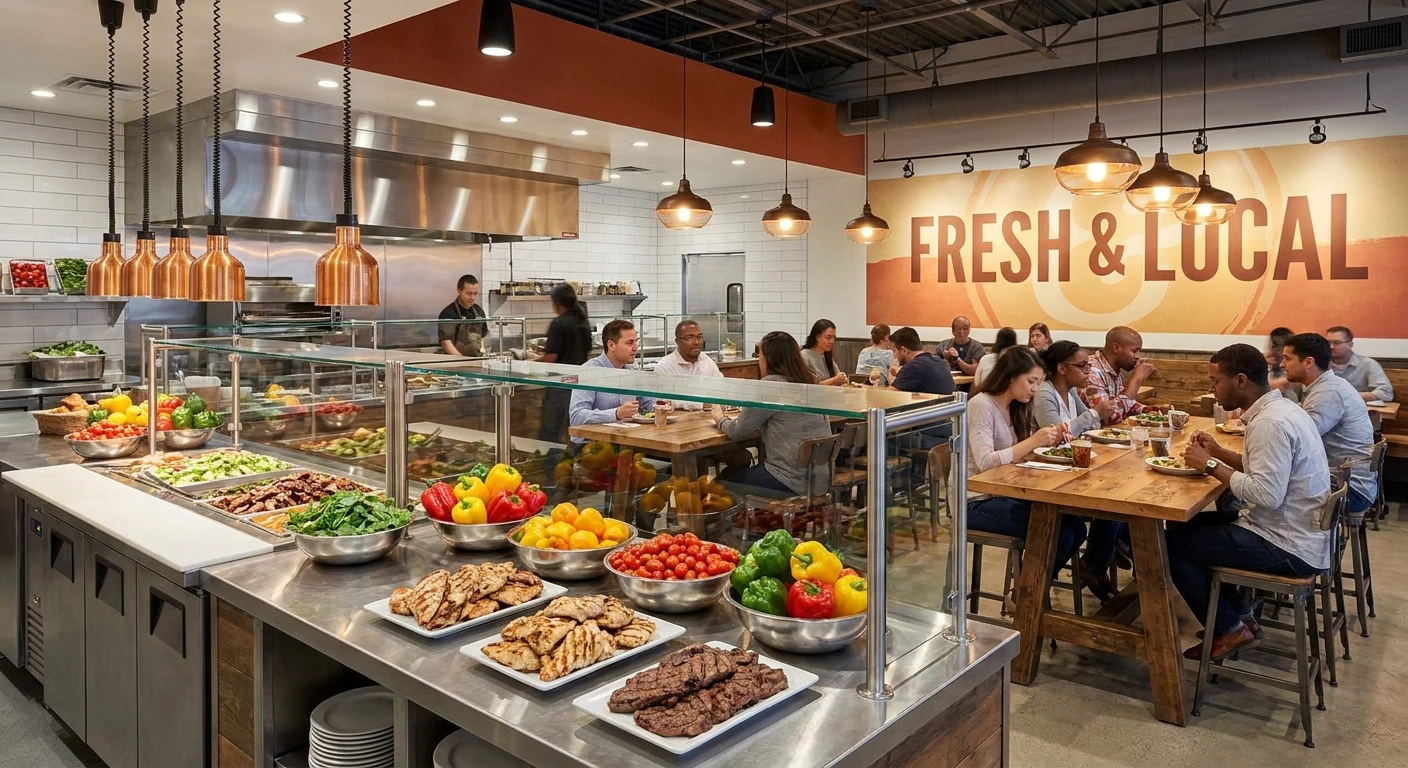
The actual service counter you walk down is a masterclass in industrial engineering and ergonomic kitchen design. The layout is intentionally structured to maximize throughput without compromising the structural integrity or temperature of the food. Hot items are held at specific, scientifically calculated temperatures to prevent drying out, while cold items are kept strictly chilled to maintain crispness and strict food safety. Here are a few technical realities of their day-to-day kitchen operations:
- Precise Holding Temperatures: Hot holding wells are heavily calibrated to keep meats well above 140 degrees Fahrenheit, ensuring safety while preventing the proteins from overcooking in their own savory juices.
- Ergonomic Station Design: Ingredients are placed in a highly specific sequence based on weight and moisture content. Heavier, hotter items go first (rice, beans, meat) to create a solid foundation, followed by lighter, colder items (salsas, lettuce, cheese).
- Small-Batch Cooking: Instead of cooking massive quantities that sit sadly under heat lamps for hours, chefs utilize a small-batch cooking rhythm, constantly grilling fresh chicken and fajita vegetables throughout the peak lunch and dinner rushes.
This technical precision is exactly why the line moves so incredibly fast, even when it stretches out the door and around the building.
Step 1: Choosing Your Ideal Base
Alright, let’s talk strategy. Building the perfect meal starts with a solid foundation. You need to decide if you want the ultimate portability of a burrito, the fork-friendly convenience of a bowl, or the crisp, light freshness of a salad. A bowl often yields the highest overall volume of food, making it the strategic choice for maximizing your value and getting the most calories per dollar.
Step 2: Protein Priorities
Your choice of protein dictates the entire flavor profile of the meal. The classic grilled chicken offers a smoky, reliable staple that pairs well with everything, while the barbacoa provides a rich, slow-braised depth of flavor. If you are opting for a plant-based diet, the specially seasoned sofritas deliver a robust, savory punch that perfectly mimics the texture of ground meat.
Step 3: The Rice and Beans Equation
Never underestimate the power of carbohydrates in this setup. White rice provides a classic, fluffy texture with a bright hit of lime, while brown rice adds a nutty, highly fibrous element. Mixing both black and pinto beans is a classic pro-level move that adds complex texture and maximizes your dietary fiber intake without costing an extra cent.
Step 4: Incorporating Fajita Veggies
Always, always ask for the fajita vegetables. These beautifully caramelized onions and bell peppers are completely free of charge and add an incredible layer of sweet, savory depth alongside crucial micronutrients to your order. They elevate a basic bowl into something truly exceptional.
Step 5: Navigating Salsas and Spice
The salsa station is where the real magic happens. The mild fresh tomato salsa adds crucial bulk and bright acidity, the medium green tomatillo offers a sharp, tangy bite, and the hot red tomatillo delivers a serious, lingering heat that builds with every bite. Do not be afraid to mix and match to find your perfect spice level.
Step 6: The Dairy and Guacamole Dilemma
Sour cream and shredded cheese act as essential cooling agents against the spicy salsas. While guacamole usually incurs a well-known extra fee for meat dishes, remember this crucial hack: it is entirely complimentary if you choose to skip the meat and go fully vegetarian with just beans and veggies.
Step 7: The Art of the Wrap
If you ordered a burrito, take a second to watch the wrapping technique. It is a precise, practiced fold that tucks the sides, compresses the ingredients, and rolls tight to prevent catastrophic structural failure. If you ordered a bowl, simply ask for a fresh tortilla on the side so you can enjoy the best of both worlds.
Let’s clear the air and debunk some of the most persistent myths about this popular dining spot. Myth: All fast-casual food is inherently unhealthy, highly processed, and loaded with hidden sugars. Reality: Because you control every single ingredient that goes into your meal, it is entirely possible to build a lean, high-protein, low-carb bowl that perfectly fits strict dietary macros. Myth: Asking for extra rice or beans will immediately cost you more money at the register. Reality: While premium add-ons like extra proteins, queso, and guacamole carry a clear upcharge, foundational items like rice, beans, and fajita vegetables can typically be doubled upon request for absolutely free. Myth: There is a highly guarded, official “secret menu” you can order from if you know the right words. Reality: While friendly staff will often accommodate creative requests like the famous “quesarito” if the restaurant is not currently busy, there is no official secret menu; you are simply leveraging their extreme customization model to invent new, delicious combinations.
Are there vegetarian options available?
Absolutely. You can choose the heavily seasoned tofu-based sofritas or simply skip the protein altogether to receive a massive scoop of complimentary guacamole.
What are the standard operating hours?
Most locations operate consistently from mid-morning to late evening, highly similar to the Burlington location on Guelph Line which runs predictably from 10:45 AM to 11:00 PM every day.
Does the restaurant offer a kids menu?
Yes, they offer highly customizable “Build Your Own” kid’s meals that include small portions of meat, rice, and beans, plus a drink and seasonal fruit or chips.
Can I order ahead using the mobile app?
Yes, the proprietary mobile app allows for incredibly easy advanced ordering, letting you skip the entire physical line and grab your food directly from the pickup shelf.
Is nutritional information readily available?
Every single ingredient’s caloric and macronutrient profile is completely transparent and available online via their digital nutrition calculator.
Do they offer local delivery services?
Delivery is widely available both directly through their own native app as well as through all major third-party delivery partners operating in the region.
Are there gluten-free choices on the menu?
Yes, if you strictly avoid the flour tortillas, almost all other ingredients in the bowls and salads are naturally gluten-free, making it a very safe bet.
How does the rewards program work?
You automatically earn points for every single dollar spent, which can be quickly redeemed for free entrees, extra sides, drinks, and even branded apparel.
Ultimately, navigating Chipotle Kitchener is all about leveraging their incredibly fresh ingredients to build a meal that perfectly suits your daily lifestyle and cravings. Get out there, experiment with bold new flavor combinations, take advantage of the generous portion sizes, and enjoy building your next highly customized bowl or burrito today!