
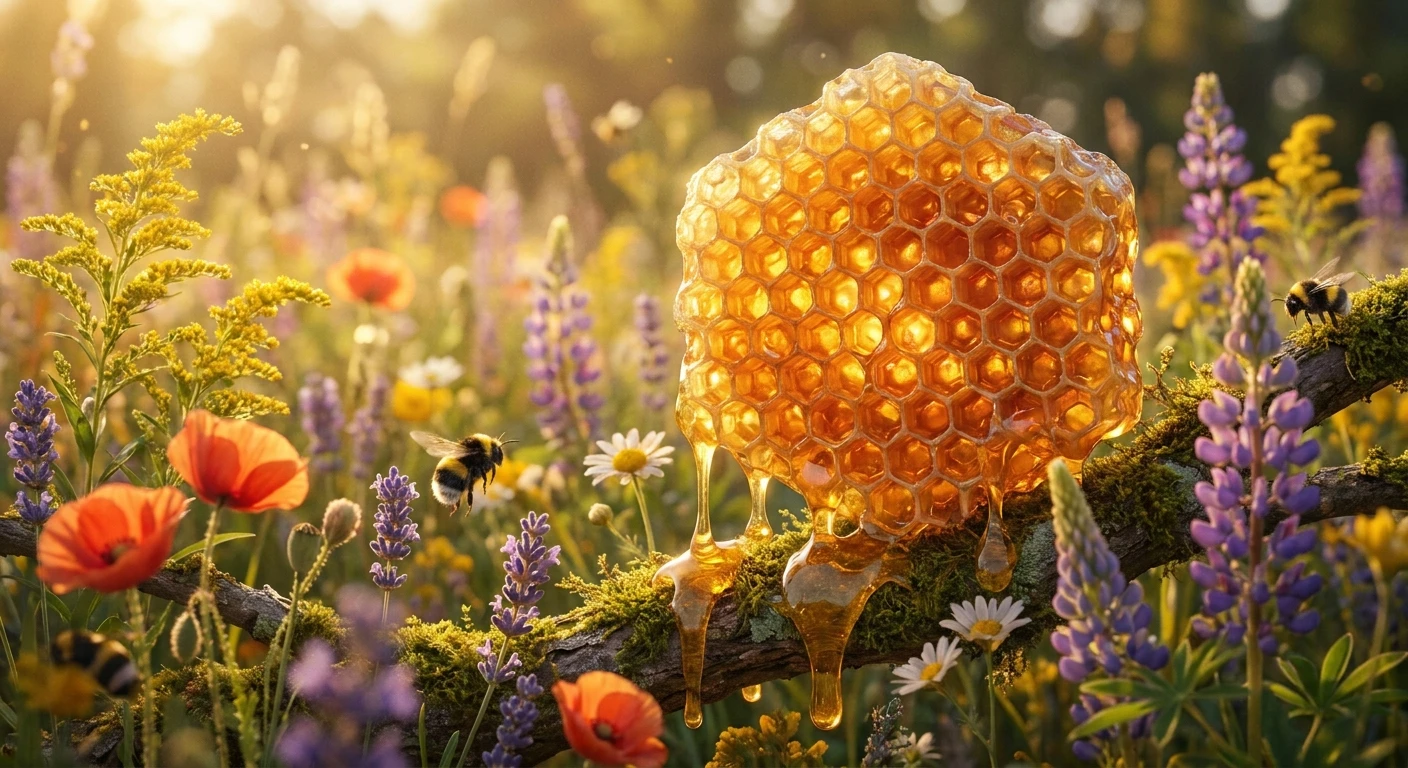
What Makes Gees Bees a Standard for Quality Honey?
You hear the name Gees Bees and immediately think of thick, golden, perfectly crystallized honey that elevates a simple slice of sourdough bread into an absolute culinary masterpiece. Sourcing pure, unadulterated honey has become surprisingly difficult, with supermarket shelves dominated by ultra-filtered, heavily processed syrups that strip away all the natural benefits of the hive. That is exactly why artisanal producers have stepped up to bridge the gap between commercial agriculture and responsible, small-batch beekeeping. Whether you are looking at the prominent Ottawa-based family farm operating out of the ByWard Market or regional suppliers sharing the moniker to provide apiary equipment, the focus remains firmly on protecting pollinators while delivering exceptional raw products. Authentic honey captures the specific floral essence of its environment, changing flavor profiles with the shifting seasons. When bees forage on spring blossoms, they produce light, delicate nectars, whereas autumn foraging yields robust, dark, and complex syrups. Understanding the origins of your pantry staples completely changes how you experience food. Exploring these specialized apiary operations reveals a fascinating intersection of agriculture, culinary arts, and environmental stewardship that goes far beyond a simple plastic bear bottle on a grocery shelf.
The Core Benefits and Operations Behind the Hives
Finding a reliable source for pure honey means looking for operations that prioritize the health of the colony over maximum production yields. The true value proposition of these specialized farms lies in their commitment to raw extraction methods. Industrial honey is typically heated to high temperatures and forced through micro-filters to prevent crystallization, which unfortunately removes pollen, beneficial enzymes, and natural antioxidants. Artisanal farms process their honey gently, ensuring that everything the bees intended to pack into the comb makes it directly into the jar. This results in a superior product that supports local agriculture and delivers actual nutritional value. You also get a much wider variety of items, from untouched honeycomb sections to pure beeswax candles that burn cleaner than traditional paraffin.
Read also: Why You Need moonmist ice cream Now; Magnolia Construction Guide and Expert Advice.
| Product Type | Origin and Flavor Profile | Best Culinary or Practical Use |
|---|---|---|
| Raw Wildflower Honey | Sourced from diverse seasonal blooms; robust and complex | Glazes, marinades, and natural sweetening for teas |
| Creamed Honey | Controlled crystallization process; smooth and spreadable | Spreading on toast, pastries, or pairing with aged cheeses |
| Natural Beeswax | Rendered from hive cappings; subtle natural honey scent | Creating clean-burning candles and natural cosmetics |
To fully grasp the scope of what these beekeeping enterprises offer, you have to look at the specific practices that set them apart from mass-market brands. There are three primary factors that make these operations stand out.
- Unpasteurized Processing: By avoiding high-heat pasteurization, the honey retains its natural antibacterial properties and complex flavor notes.
- Ecosystem Support: These apiaries actively manage hives in ways that respect native pollinator territories and promote overall local floral health.
- Diverse Product Lines: Beyond liquid honey, they utilize the entire hive, offering items sweetened naturally that clock in at remarkably low calorie counts.
If you want to shop pure Canadian honey, looking for producers who follow these strict guidelines ensures you get the real deal. The difference in taste and texture is immediately apparent.
The Origins of the Farm
Tracing the roots of these apiary businesses reveals a strong connection to local land management and community agriculture. The Ottawa-based enterprise began its journey by cultivating land as a National Capital Commission (NCC) farm situated on River Road. This initial setup provided the perfect environment for healthy hives, surrounded by vast stretches of natural foraging grounds. Starting as a localized agricultural project, the farm focused heavily on establishing strong, resilient colonies that could thrive in the challenging Canadian climate. The early days were defined by hands-on hive management, learning the specific floral cycles of the region, and building a foundation of sustainable practices that would later define their entire brand identity.
Evolution of Beekeeping Practices
As the hives multiplied and the harvests grew, the operation had to evolve beyond a simple roadside farm stand. The transition required scaling up extraction facilities while strictly maintaining the raw, unpasteurized quality that customers expected. This growth phase involved implementing advanced apiary management techniques, such as rigorous winterization protocols to protect bees from freezing temperatures, and developing specialized products like creamed honey, which requires precise temperature control to achieve a consistently smooth texture. They also began focusing on creating flavored variants, proving that natural additives could enhance the base honey without relying on artificial syrups.
The Modern State of the Operations
Today, the business has expanded its footprint significantly. It is no longer just a rural farm; it is a recognizable retail presence. They have successfully launched a new retail space, creating buzz in the ByWard Market with a dedicated shop on Sussex Drive. This dual presence—maintaining the working farm on River Road while operating a sleek urban storefront—allows them to educate city dwellers about agriculture while providing easy access to premium products. They offer items sweetened with honey instead of sugar, boasting multiple flavors at just 35 calories per serving, which appeals heavily to health-conscious consumers.
The Chemistry of Raw Honey
The transformation of flower nectar into honey is an incredible feat of natural chemistry. When foraging bees collect nectar, it consists mostly of water and complex sugars. Inside the bee’s honey stomach, an enzyme called invertase is added, which breaks down the complex sucrose into simpler sugars: glucose and fructose. Once deposited into the hexagonal wax cells of the honeycomb, house bees fan the nectar with their wings to evaporate the moisture. When the water content drops below roughly 18 percent, the honey becomes supersaturated and naturally resistant to bacterial growth or fermentation. This low moisture content, combined with the mild acidity of the honey and the presence of hydrogen peroxide (produced by another enzyme, glucose oxidase), creates a virtually spoil-proof food. Commercial processing destroys these delicate enzymes, which is why raw extraction is fiercely protected by serious apiarists.
Apiary Science and Colony Health
Maintaining a thriving apiary requires constant scientific observation and intervention. Beekeepers must monitor for pests like the Varroa destructor mite, a parasite that vectors deadly viruses into the hive. Modern operations use Integrated Pest Management (IPM) strategies to keep mite loads low without contaminating the wax or honey with harsh synthetic chemicals. Furthermore, producers are dedicated to ensuring their managed honeybees do not outcompete native pollinators.
- Honeybees travel up to five kilometers from their hive to forage, making their environmental impact vast.
- The crystallization of honey is dictated by the ratio of glucose to fructose; higher glucose nectars crystallize much faster.
- A single worker bee will produce only about one-twelfth of a teaspoon of honey in her entire lifetime.
- Producers actively work to protect and support healthy bee populations through habitat conservation.
- Regional variations exist, such as suppliers offering queens, swarm removal, and beekeeping products to support amateur apiarists in places like Virginia.
Day 1: The Raw Honey Taste Test
Start your experience by organizing a proper tasting. Gather a jar of raw wildflower honey and a jar of standard supermarket honey. Use a clean spoon to sample each. Pay attention to the texture, the speed at which it dissolves on your tongue, and the lingering floral notes. The artisanal product will likely have a thicker, more complex mouthfeel with distinct botanical aftertastes, whereas the commercial syrup will taste unilaterally sweet and flat. This baseline test resets your palate and helps you appreciate the nuances of genuine apiary products.
Day 2: Upgrading Your Morning Coffee or Tea
Swap out your refined white sugar or artificial sweeteners for a spoonful of raw honey in your morning beverage. Because honey contains fructose, it tastes slightly sweeter than regular sugar, meaning you can use less of it to achieve the desired sweetness. If you are drinking a robust black tea or an earthy coffee, a darker honey pairs exceptionally well. For lighter green or white teas, opt for a mild, early-season harvest so you do not overpower the delicate tea leaves.
Day 3: Culinary Experiments with Creamed Honey
Creamed honey has had its crystallization process strictly controlled to create microscopic crystals, resulting in a buttery, spreadable texture that will not drip off your food. Dedicate this day to building a premium toast or charcuterie setup. Toast a thick slice of artisanal bread, spread a layer of fresh ricotta or brie cheese, and add a generous dollop of creamed honey on top. The contrast between the savory, salty cheese and the smooth, rich sweetness is a massive culinary upgrade.
Day 4: Exploring Beeswax and Natural Candles
Shift your focus from food to the other incredible materials produced by the hive. Beeswax is a natural marvel. When burned as a candle, it emits a subtle, sweet scent and produces negative ions that can actually help neutralize airborne pollutants like dust and dander. Light a pure beeswax candle in your living space during the evening. You will notice it burns significantly slower and cleaner than typical paraffin wax candles, creating a warm, golden ambiance without releasing petroleum byproducts into your air.
Day 5: Supporting Local Pollinators
Take actionable steps to support the insects that make these products possible. You do not need to become a beekeeper to help. Plant native, pollinator-friendly flowers in your garden or window boxes. Opt for species that bloom at different times of the year so bees have a constant food source from early spring through late autumn. Eliminate the use of broad-spectrum pesticides on your lawn, as these chemicals are highly toxic to foraging bees and disrupt the delicate balance of the local ecosystem.
Day 6: Learning About Colony Swarms and Queens
Educate yourself on the natural reproductive cycle of the honeybee colony. When a hive becomes too crowded, the old queen and about half the worker bees will leave in a massive cloud called a swarm to find a new home, leaving behind queen cells to hatch a new leader for the original hive. Swarms look intimidating but are generally docile. If you ever spot one on your property, never spray it with water or chemicals. Instead, contact local apiary services for safe relocation.
Day 7: Gifting and Expanding the Honey Experience
Conclude your week by sharing your newfound appreciation with friends or family. High-quality honey makes an exceptional gift because of its indefinite shelf life and universal appeal. Put together a small basket featuring a jar of creamed honey, a block of honeycomb, and a beeswax candle. Sharing these artisanal goods helps support small-scale agriculture and introduces others to the massive difference in quality between mass-produced syrups and authentic hive products.
Myth: Crystallized honey has gone bad and should be thrown away.
Reality: Crystallization is a completely natural process that proves your honey is raw and unpasteurized. It never expires; simply place the glass jar in a bowl of warm water to gently return it to a liquid state without destroying the enzymes.
Myth: All honey is essentially the same, regardless of where it comes from.
Reality: Honey is directly tied to its botanical source. Nectar gathered from blueberry blossoms tastes drastically different from nectar gathered from buckwheat or clover. The geographical location dictates the entire flavor profile.
Myth: Beekeeping operations always deplete wild pollinator resources.
Reality: Ethical and responsible apiarists actively practice habitat restoration and carefully manage hive density to ensure that local solitary bees, bumblebees, and other native pollinators have ample foraging resources to thrive alongside managed colonies.
What kinds of honey are typically available?
Reputable apiaries usually offer raw wildflower liquid honey, meticulously churned creamed honey, and intact honeycomb straight from the wooden frames. They also frequently produce naturally flavored varieties infused with ingredients like ginger, lemon, or cocoa.
Do they offer Canada-wide shipping?
Yes, many premium Canadian producers facilitate extensive logistics, offering local urban delivery routes as well as secure, Canada-wide shipping options to ensure anyone can access pure agricultural products.
Where are the physical stores located?
Prominent operations often feature multiple touchpoints. For example, you can find rural farm locations on River Road alongside polished retail storefronts on Sussex Drive in the ByWard Market.
Are there low-calorie sweetener options?
Yes. Because honey is denser and sweeter than processed white sugar, you use less of it. Certain infused honey products are specifically formulated to provide rich flavor profiles at just 35 calories per standard serving.
Do they sell beekeeping equipment?
While some purely culinary farms focus solely on the harvest, regional counterparts utilizing the same name in places like Virginia provide extensive supplies, including woodenware, protective suits, and live bee packages for hobbyists.
Can I get swarm removal services?
Many apiarists offer professional swarm catching. Instead of calling an exterminator for a cluster of bees in your yard, specialized beekeepers will safely collect the swarm and rehome it into a managed apiary box.
Is the honey pasteurized?
Authentic artisanal honey is strictly unpasteurized. Avoiding high heat ensures that the volatile aromatic compounds, natural yeast, and beneficial enzymes remain completely intact from the hive to the jar.
What makes creamed honey special?
Creamed honey is created by seeding liquid honey with exceptionally fine crystals and keeping it at a precise, cool temperature. This forces the entire batch to crystallize smoothly, preventing the large, gritty crystals that form naturally over time.
Understanding the dedication, science, and rigorous labor that goes into every jar of Gees Bees completely shifts the culinary experience. By choosing raw, ethically produced honey, you are directly investing in the health of local ecosystems and the survival of crucial agricultural traditions. Step away from the highly processed supermarket aisles, grab a jar of pure, unpasteurized honey today, and taste the incredible difference that genuine beekeeping makes.