Understanding the Footprint of Indigo Regina
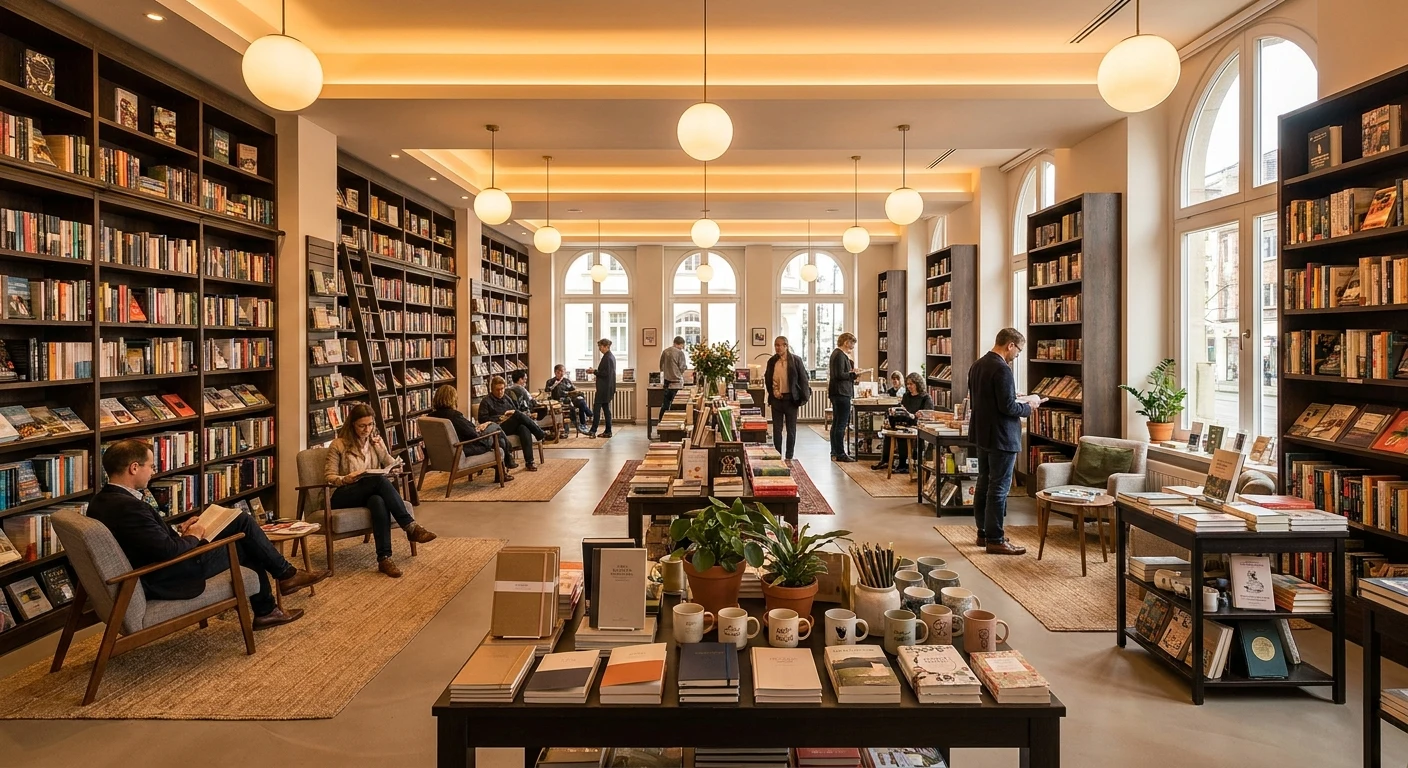
Understanding the cultural and commercial footprint of Indigo Regina requires looking closely at how large-scale retail environments operate. When a major corporate bookstore chain establishes a massive physical presence in a mid-sized market like Regina, Saskatchewan, it irrevocably alters the local commercial landscape. Books serve as merely the foundation of a much broader strategy. The operational model relies on building an immersive, experiential environment where consumers actively interact with curated media, lifestyle products, and high-end design objects. This approach deliberately shifts the focus away from simple, rapid transactions toward extended customer engagement. The core operational thesis is highly effective: physical retail spaces survive and thrive by offering multi-sensory, tactile experiences that algorithmic e-commerce simply cannot replicate. You observe this clearly in how the floor space is meticulously divided between hardcover literature, home decor, wellness products, and interactive children’s toys. The seamless integration of these seemingly disparate elements creates a cohesive, powerful lifestyle brand. Market data from recent fiscal cycles demonstrates that consumers overwhelmingly prefer browsing physical items before making substantive purchasing decisions, especially concerning gifts, luxury stationery, and home aesthetics. Establishing a substantial retail hub like Indigo Regina serves both the overarching economic goals of the parent corporation and the social needs of a community looking for safe, intellectually stimulating spaces to gather. Furthermore, the presence of such a massive store acts as a vital commercial anchor for surrounding businesses, drawing consistent, high-volume foot traffic throughout all four seasons and stabilizing the broader retail ecosystem of the area.
Evaluating the Value Proposition
Operating a multi-category lifestyle store presents specific, tangible benefits to the consumer base while requiring incredibly complex logistical coordination behind the scenes. The primary value proposition of Indigo Regina lies in its seamless aggregation of distinct retail categories under a single, highly optimized roof. Rather than forcing a consumer to visit four separate specialty shops across the city, a shopper finds high-end literature, specialty baby gifts, sustainable home goods, and advanced tech accessories situated adjacent to one another. Analyze how these categories function through a structural retail lens:
Read also: Mastering the Prix Essence Gatineau Ottawa Commute; Magnolia Construction Guide and Expert Advice.
| Retail Category | Consumer Benefit | Product Example |
|---|---|---|
| Hardcover Fiction & Non-Fiction | Intellectual stimulation and sustained cognitive engagement | Award-winning literary novels, comprehensive biographies, and specialized cookbooks |
| Sustainable Home Decor | Aesthetic enhancement and improved domestic environments | Eco-friendly soy candles, woven throw blankets, and artisanal ceramic vases |
| Electronics and Productivity | Convenience and optimized daily task management | Digital e-readers, noise-canceling headphones, and premium leather journals |
The overarching strategy depends heavily on executing specific operational goals with absolute precision. Implementing these strategies requires rigorous training and strict adherence to corporate guidelines:
- Curated Selection Maintenance: Inventory must rotate seasonally while maintaining perennial bestsellers in stock at all times. This requires constant, rigorous data analysis of local buying habits specific to the Saskatchewan region.
- Community Event Programming: Author readings, children’s story times, and seasonal product launches drive critical non-transactional foot traffic. These events build long-term brand loyalty and position the store as a cultural hub rather than just a warehouse of goods.
- Cross-Merchandising Execution: Placing international cookbooks directly next to high-end kitchenware or language guides next to premium travel accessories increases the average basket size organically without aggressive sales tactics.
The meticulous execution of these three pillars ensures the location remains highly profitable despite the heavy overhead costs associated with maintaining a large physical footprint. By offering exclusive editions and aggressively integrating the Plum Rewards loyalty program, the store successfully captures highly valuable consumer data. This data then refines the automated inventory algorithm specifically for the Regina market.
Origins of the Retail Strategy
The conceptual framework of the modern big-box bookstore began in the late 20th century. Corporate strategists sought to replace fragmented, specialized independent bookshops with massive, comprehensive repositories of knowledge and entertainment. The inception of the Indigo brand in Canada specifically aimed to create a cultural department store rather than a mere book depository. Bringing this ambitious model to Regina represented a highly calculated expansion into provincial capitals. Corporate leadership recognized that high-volume cultural consumption is not strictly limited to massive metropolitan centers like Toronto or Vancouver; mid-sized cities possess immense purchasing power when presented with premium retail options.
Evolution of the Store Format
Early iterations of these big-box stores focused strictly on maximizing raw shelf space for books. Aisles were traditionally narrow, and the lighting was entirely utilitarian, designed purely for reading spines. However, as digital reading formats and global online shopping gained massive market share in the early 2010s, physical stores faced an existential crisis. The necessary evolution shifted the focus aggressively toward lifestyle merchandising. Corporate designers lowered the shelving units to dramatically improve store sightlines, prioritized natural lighting architectures, and introduced high-margin non-book merchandise. This massive structural pivot effectively saved the physical bookstore model. The Regina location adapted seamlessly by carving out significant square footage for wellness products, specialty teas, and highly tactile goods that simply do not translate well to a digital screen.
The Modern State of the Location
Presently, the store operates as a highly optimized, dual-purpose retail machine. It functions simultaneously as an advanced logistics hub for localized online order fulfillment and a primary destination for casual consumer browsing. The interior layout undergoes continuous refinement based on thermal heat-mapping and localized sales data. This modern state reflects a pragmatic hybrid approach, acknowledging that while consumers may purchase heavily through online portals, they still fundamentally demand aesthetically pleasing physical environments for product discovery and social interaction. The integration of localized fulfillment means the store acts as its own micro-warehouse.
The Psychology of Retail Layout
The internal architecture of an Indigo Regina location is never accidental; it is heavily driven by advanced retail psychology and spatial behavioral science. The layout deliberately employs a free-flow track rather than a rigid, grocery-style grid system. This specific design slows down average walking speeds and actively encourages meandering. Slower walking speeds correlate directly with significantly higher conversion rates and larger final purchase totals. Visual merchandising teams utilize complex color theory, placing vibrant, high-contrast book covers directly at eye level. This specific height is known in retail science as the strike zone, engineered to capture immediate visual attention and trigger impulse selections.
Supply Chain Logistics and Inventory Management
Behind the calming aesthetic appeal lies a rigorous, highly aggressive data-driven supply chain mechanism. The store utilizes sophisticated automated replenishment systems that instantly trigger purchase orders when specific stock levels fall below a mathematically calculated threshold. The technical mechanics keeping the shelves continuously optimized involve several layers of technology:
- Algorithmic Restocking Protocols: The central inventory management system uses predictive analytics based on historical sales data in the Saskatchewan region to precisely anticipate demand spikes before holidays or local events.
- Radio Frequency Identification (RFID): This technology is heavily utilized for precise, real-time inventory tracking, drastically minimizing shrinkage and ensuring that the public online stock count perfectly matches the physical floor count.
- Planogram Adherence: Corporate-designed visual diagrams strictly dictate exactly where specific SKUs are placed, ensuring absolute brand consistency across the country and maximizing lucrative vendor placement agreements.
- Just-in-Time (JIT) Delivery Systems: This logistics model minimizes backroom storage requirements by receiving shipments exactly when floor stock needs replenishing, massively reducing overhead costs associated with idle, unsold inventory.
Day 1: Exploring the New Releases
Navigating a massive retail environment effectively requires a highly systematic approach to avoid decision fatigue. Begin by focusing exclusively on the front-of-house tables and immediate entry displays. These prominent tables feature the highest turnover of new inventory, heavily curated and negotiated by corporate buyers. The placement here represents the highest marketing spend by publishers, guaranteeing you are viewing the most culturally relevant releases of the current week.
Day 2: Engaging with Local Authors
Shift your focus entirely to the regional interest and localized sections. Stores maintain specific, dedicated shelving for Saskatchewan authors, prairie history, and regional travel. This section provides the most localized value in the entire building and often features independent regional presses that are significantly harder to source through global e-commerce channels. Purchasing from this section directly signals the algorithmic buyers to continue stocking local talent.
Day 3: Utilizing the Kids’ Section
The children’s department operates structurally almost as a completely separate entity within the larger store. It deliberately uses lower shelving, softer lighting, and highly interactive physical displays. Spend time analyzing how purely educational STEM toys are seamlessly integrated with young adult and children’s literature, creating a holistic learning environment that encourages parents to purchase cross-category bundles.
Day 4: Leveraging the Plum Rewards Program
Understanding the underlying economics of the loyalty program is essential for maximizing your purchasing power. Maximize your point accumulation by strictly timing your major purchases with scheduled multiplier events. The purchasing data you provide in exchange for these discounts serves as the primary currency that drives the store’s localized purchasing decisions, allowing the corporation to tailor the Regina inventory specifically to local tastes.
Day 5: Shopping for Sustainable Gifts
Navigate toward the home decor and lifestyle aisles located in the center of the store. Notice the heavy industry shift toward eco-friendly packaging and sustainably sourced materials. This specific section represents the highest profit margins for the entire company and actively showcases current global interior design trends. Items here are frequently rotated to match seasonal color palettes.
Day 6: Finding Specialty Stationery
The paper goods and specialized stationery department requires close, tactile inspection. High-quality imported journals, precision pens, and specialized organizational planners occupy this space. The inherently tactile nature of these specific products serves as a primary reason consumers continue to physically visit the location. You cannot judge paper weight or pen flow through a digital interface.
Day 7: Attending Community Events
Conclude your systematic exploration of the location by actively participating in scheduled community programming. Whether it is a highly publicized book signing by a touring author or a themed midnight release party for a major franchise, these events clearly demonstrate the store’s vital function as a community gathering space. Engaging in these events reinforces the economic viability of maintaining physical cultural spaces.
Debunking Retail Myths
Myth: Physical bookstores are completely obsolete.
Reality: Large-format retail environments that successfully adapted to experiential, multi-category models continue to generate strong, sustainable revenue and maintain exceptionally high foot traffic across all demographics.
Myth: They only stock global bestsellers and ignore niche markets.
Reality: Corporate inventory algorithms specifically allocate mandated shelf space for regional interests and local authors to cater directly to the immediate community and satisfy local demand.
Myth: E-books have permanently destroyed the printed market.
Reality: Print sales have firmly stabilized over the last decade, with younger demographics heavily driving the massive resurgence of physical book purchases due to digital fatigue.
Myth: Pricing is always drastically higher than e-commerce competitors.
Reality: Strategic in-store promotions, combined heavily with optimized loyalty program discounts, frequently match or actively undercut online pricing models.
Where is Indigo Regina located?
The location operates within a primary, highly accessible commercial district strategically chosen to capture maximum volumes of natural retail foot traffic and optimize local logistics.
What are the typical store hours?
Operating hours generally align tightly with standard shopping center operations, consistently offering extended evening access to accommodate professional work schedules and weekend shoppers.
Does the store host book signings?
Yes, management frequently schedules highly coordinated events featuring both heavily promoted national touring authors and emerging local literary talent.
Can I pick up online orders in-store?
The physical location functions perfectly as a localized fulfillment center, allowing for incredibly seamless ship-to-store logistics and rapid local pickup options.
Do they sell vinyl records and turntables?
The integrated electronics and media section consistently stocks a highly curated selection of analog audio equipment, appealing directly to the audiophile demographic.
Is there a cafe located inside?
Most large-format iterations intentionally integrate a partnered corporate coffee shop designed specifically to increase customer dwell time and encourage immediate reading.
Are there employment opportunities?
Management regularly hires for specialized customer experience, technical visual merchandising, and high-speed inventory logistics roles throughout the fiscal year.
Conclusion
Comprehending the complex operational mechanics of Indigo Regina provides deep, actionable insight into the ongoing evolution of physical retail. The calculated integration of classic literature, high-margin lifestyle goods, and authentic community engagement creates a remarkably resilient business model. This strategic fusion successfully combats the overwhelming rise of purely digital commerce. Visit the location directly to experience the flawless execution of these modern retail strategies firsthand, and observe how architectural design and retail psychology merge to create a premier shopping environment.