
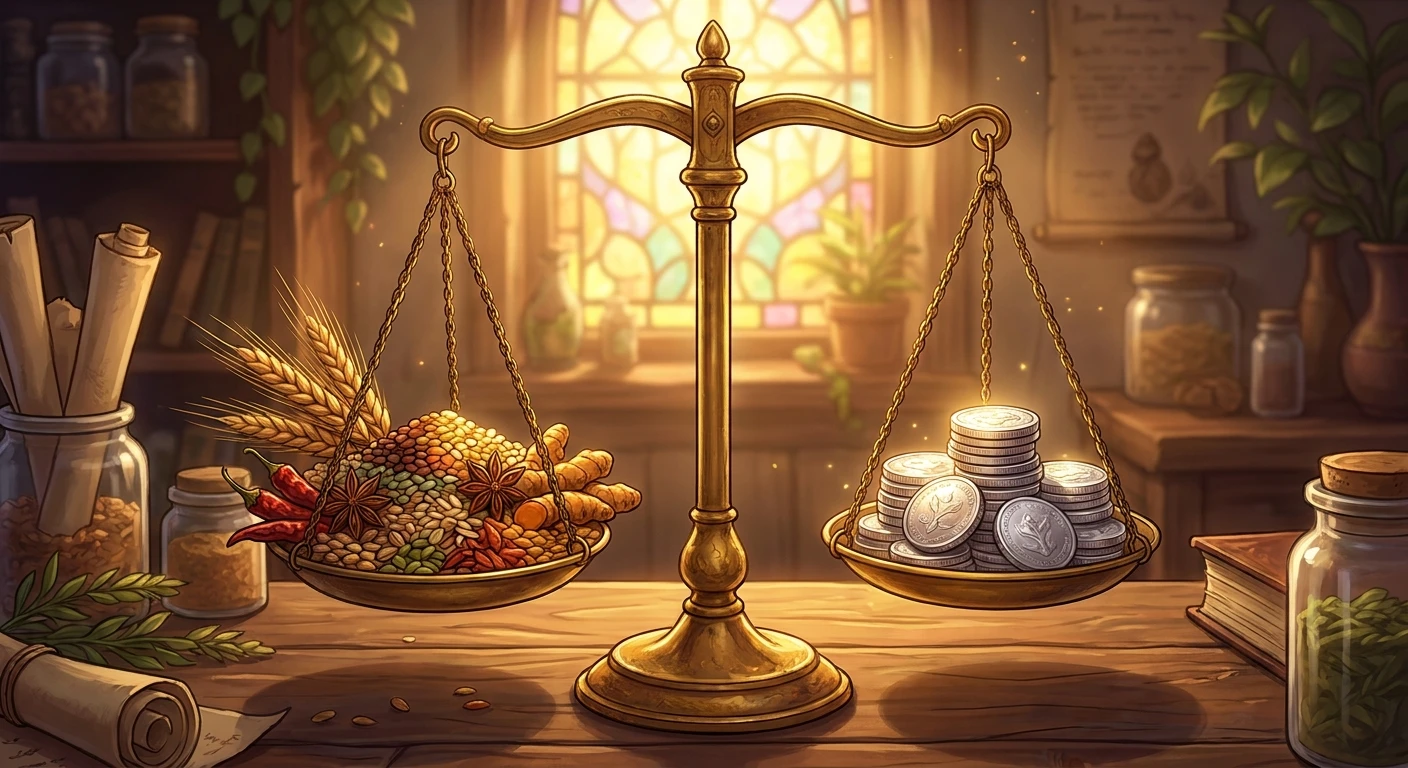
The Big Question: Is Bulk Barn Cheaper?
So, you are standing in the middle of a massive aisle filled with clear bins and wondering, is bulk barn cheaper when it comes to stocking up your pantry, or is it just an elaborate illusion of savings? Over the past couple of years leading up to 2026, grocery inflation has hit everyone incredibly hard. You want to make the smartest financial choices without sacrificing the quality of the meals you prepare for your family.
I clearly remember moving from Kyiv to North America and experiencing massive culture shock in the grocery aisles. Back in Ukraine, buying grains, seeds, and vibrant spices by weight at open-air local markets—the traditional bazaar—was the default way to stretch a tight budget and get exactly the amount you needed. There was no fancy branding, just massive sacks of raw ingredients. When I first stepped into a modern, brightly lit North American bulk retail store, the endless rows of gravity bins felt familiar yet utterly overwhelming. I desperately needed to figure out if this retail giant offered the same economic relief my family relied on back home. The short answer is yes, buying without packaging can save you a small fortune, but only if you navigate the store with a highly strategic mindset, avoiding premium traps and heavily prioritizing dry staples.
Read also: Lab Diamonds vs Real Diamonds Cost Guide for Buyers; Navan Dump Guide: Waste Management Rules.
The Real Value Proposition of Package-Free Shopping
Bulk shopping offers a unique and highly beneficial value proposition, especially for those who love to bake from scratch or cook intricate meals at home. When you buy from a bin, you are strictly paying for the physical product. You are totally bypassing the costs associated with glossy plastic packaging, massive corporate marketing budgets, and the branding overhead that dominates conventional supermarkets. Let me give you two extremely clear examples of how this works in practice.
First, consider the spice aisle. If you need ground cinnamon for a recipe, buying a tiny glass jar at a standard supermarket might cost you five or six dollars for a mere forty grams. At a bulk store, you can scoop that exact same amount into a lightweight reusable bag for mere cents. The markup on packaged spices is astronomical. Second, let’s look at specialty baking items like almond flour or organic quinoa. Pre-packaged bags of these health foods carry a heavy lifestyle premium, but weighing them out yourself drastically cuts the cost per hundred grams.
However, it is not an automatic victory for your wallet. The candy and snack sections are notorious budget killers. Scooping heavy, dense items like chocolate-covered almonds or gummy candies can end up costing you significantly more per pound than buying a standard bag at a discount store. To give you a realistic picture, here is a breakdown of typical price differences.
| Grocery Item (per 100g) | Standard Supermarket Price | Bulk Store Price | Financial Impact |
|---|---|---|---|
| Ground Cinnamon | $4.50 | $0.85 | 81% Cheaper |
| Almond Flour | $2.75 | $1.50 | 45% Cheaper |
| Premium Gummy Candies | $1.20 | $1.60 | 33% More Expensive |
| White Quinoa | $1.50 | $0.90 | 40% Cheaper |
To ensure you actually walk out with more money in your pocket, you absolutely must follow a few non-negotiable rules:
- Always bring your own thoroughly cleaned, pre-weighed reusable containers to ensure you are not paying for the weight of heavy glass jars or buying unnecessary new plastic bags.
- Always pull out your smartphone and cross-reference unit prices (cost per 100g) while standing in the aisle; never blindly assume the bin is automatically the superior financial deal for snacks or heavy treats.
- Focus your shopping heavily on baking staples, dry legumes, whole oats, and rare exotic spices, as these specific categories consistently offer the steepest and most reliable discounts compared to conventional aisles.
The Origins of Bulk Shopping
Before shiny plastic wrap, styrofoam trays, and individual serving sizes totally took over the global retail landscape, bulk shopping was simply the standard way human beings acquired food. Historically, whether you were wandering through a bustling, loud bazaar in Eastern Europe, a spice market in Asia, or a wooden general store in early North America, merchants sold flour, sugar, dried beans, and grains straight out of massive wooden barrels or burlap sacks. Customers would ask for a specific weight, and the shopkeeper would scoop the goods directly into a paper cone or a durable cloth bag the customer brought from home. This old-world method was deeply logical and fundamentally efficient. It minimized physical waste and kept household costs strictly tied to the agricultural commodity itself, rather than the aesthetic appeal of the container it was carried in.
The Evolution of Packaging
The mid-twentieth century brought a massive, disruptive shift in how modern society consumed and viewed food. Post-war industrialization rapidly introduced cheap synthetic plastics, colorful printed cardboard boxes, and highly aggressive brand marketing campaigns. Supermarkets quickly realized they could charge significantly higher prices simply by offering convenience. Single-serve plastic packets, vibrant branded boxes, and ready-to-eat pouches became the ultimate symbols of a wealthy, fast-paced, modern lifestyle. Sadly, this dramatic cultural shift meant ordinary consumers began paying a massive hidden tax on every single grocery trip—the recurring cost of disposable packaging. For decades, the old-school barrel-and-scoop method nearly vanished entirely from the mainstream, surviving only in highly niche health food cooperatives, specialized vegan shops, and remote rural feed stores.
The Modern State of Zero-Waste Retail
Fast forward to our current reality, and the cultural pendulum has aggressively swung back in the opposite direction. Intense environmental awareness regarding ocean plastics, combined with harsh economic realities and food inflation, has revived the package-free model on a massive, commercial scale. Modern zero-waste retail is certainly not just about rustic wooden barrels anymore; it features highly sanitary high-tech gravity dispensers, digital tare scales, and extremely strict hygiene protocols. People are utterly exhausted from throwing away massive plastic clamshells and excessive cardboard every single week. They demand absolute control over their portion sizes and their household budgets. The contemporary bulk store represents a brilliant hybrid of vintage frugality and modern sustainability, proving that what is old and practical eventually becomes essential again.
The Economics of Unit Pricing
To truly comprehend retail pricing mechanics and spot a genuine bargain, you have to look deeply at the brutal math behind packaging economics. Food manufacturers calculate something called the “Cost of Goods Sold” (COGS), which encompasses the raw agricultural ingredient, factory processing, packaging materials, and global logistics. When you buy a brightly branded plastic jar of dried oregano, the actual green herb inside might only account for ten percent of the total COGS. The rest of your money goes directly toward manufacturing the glass jar, molding the plastic shaker lid, printing the glossy adhesive label, and shipping the heavy cardboard flat. By completely stripping away these secondary layers of waste, bin retailers drastically lower the baseline COGS. However, because they still pay premium commercial real estate rates and deal with high product shrinkage (due to spilled grains or petty theft), they must strategically balance their pricing. They gladly offset the massive consumer discounts on cheap staples by maintaining significantly higher profit margins on heavy, dense impulse buys like chocolate truffles and salted nut mixes.
The Science of Shelf Life and Oxidation
Buying naked, unpackaged ingredients exposes them to specific environmental variables that factory-sealed goods might successfully avoid for months on a warehouse shelf. When food sits open in a large bin, its constant exposure to oxygen, ambient store humidity, and bright fluorescent light fundamentally changes its chemical degradation timeline. You have to actively consider the scientific reality of oxidation, particularly for any items containing natural plant fats or volatile compounds.
- Nuts and seeds contain delicate volatile oils that can quickly become rancid and bitter when continuously exposed to oxygen and warm ambient lighting over extended periods.
- Whole spices chemically retain their aromatic volatile flavor compounds much longer than pre-ground spices, meaning buying whole nutmeg or cinnamon sticks in bulk is scientifically a much smarter long-term culinary investment.
- Milled flours and processed grains are highly susceptible to ambient moisture absorption, absolutely requiring airtight storage immediately upon bringing them home to prevent mold spore activation or pest infestation.
- White sugar and sea salt are effectively immortal commodities, possessing virtually zero moisture content and naturally creating an incredibly inhospitable environment for any bacterial growth, making them the safest and most reliable package-free investments.
Day 1: The Kitchen Pantry Audit
Start your money-saving journey by physically emptying out your kitchen cupboards and drawers. Take a brutally honest inventory of what you actually cook and eat versus what just sits there collecting dust for years. Write down the top five dry ingredients your household consumes on a weekly basis, such as long-grain rice, rolled oats, dark roast coffee beans, or whole wheat flour. Knowing your actual consumption rate is the foundation of smart shopping.
Day 2: Container Preparation and Cleaning
Gather up all your empty glass mason jars, heavy-duty reusable silicone storage bags, and sturdy plastic containers. Wash them thoroughly with hot soapy water and let them air dry completely overnight. This step is critical because even a single tiny drop of residual moisture hidden in the corner of a jar will instantly ruin dry goods like baking powder, sugar, or specialty flours by causing them to clump and spoil.
Day 3: Baseline Price Research
Before stepping foot inside the package-free aisle, visit your regular conventional supermarket or boot up their online shopping app. Meticulously record the exact per-hundred-gram price of your top five most-used ingredients. You absolutely need this benchmark financial data in hand so you can instantly spot a genuine bargain and avoid being tricked by confusing price tags.
Day 4: The Reconnaissance Mission
Visit your local bulk retailer, but do not grab a shopping cart just yet. Walk the aisles slowly, observe the overall cleanliness of the gravity bins, and practice using the digital tare scales located near the front. Take quick photos of the price tags on the specific items you frequently use. Familiarizing yourself with the layout and the weighing process reduces anxiety for your first actual haul.
Day 5: Strategic Spice Restocking
Make your very first actual purchase strictly isolated to the spice and herb aisle. Focus on lightweight, high-flavor impact items like dried sweet basil, ground cumin, and smoked paprika. When you check out, explicitly compare the mere cents you spend to the heavy dollars you used to drop on generic branded jars. This quick win will build your confidence.
Day 6: The Heavy Staples Haul
Now that you are totally comfortable with the tare and weighing process, bring your largest, heaviest containers to stock up on massive staples. Fill them up with rolled oats, dried lentils, unbleached baking flour, and rice. Ensure you accurately weigh the empty containers first so you are not accidentally paying for the heavy glass at the checkout counter.
Day 7: Analyzing the Financial Impact
Sit down at your kitchen table with your printed receipts and directly compare your new purchases against the baseline supermarket prices you recorded back on Day 3. Calculate your exact dollar savings line by line. This powerful psychological reward will totally solidify your new, highly cost-effective shopping habit for the rest of 2026 and beyond.
Separating Frugal Myths from Retail Reality
Myth: Bulk bins are incredibly unsanitary, poorly maintained, and full of dangerous germs.
Reality: Modern retail health regulations enforce incredibly strict, daily cleaning and sanitization schedules. Furthermore, high-tech gravity bins fundamentally prevent human hands from ever touching the food supply, making them just as hygienic as factory-sealed bags processed on massive, dusty conveyor belts.
Myth: Absolutely everything you buy without a package is automatically and guaranteed to be cheaper.
Reality: Candies, branded chocolates, and dense, heavy snack mixes are very often significantly more expensive by weight than standard pre-packaged supermarket versions. You are often paying a premium for the convenience of mixing them and the impulse desire.
Myth: You have to buy massive, fifty-pound restaurant-style bags to get any real financial discount.
Reality: The primary beauty and biggest advantage of these stores is buying exactly what you need. Purchasing just one single teaspoon of a rare, expensive spice saves you from buying a ten-dollar jar that will eventually expire unused in the back of your cupboard.
Myth: Reusable glass containers are way too heavy and end up costing you extra money at the cash register.
Reality: Cashiers use a highly precise “tare” system to digitally deduct the exact gram weight of your empty jar before calculating the final price of the food resting inside it.
Do I have to bring my own jars?
No, they universally provide complimentary plastic bags or cheap paper sacks, but bringing your own sturdy containers is vastly better for the environment and keeps your pantry organized.
How do I weigh my containers properly?
Simply go to the cashier or a self-serve digital scale before you start shopping. They will weigh your empty jar and write the exact weight on a small sticker to deduct later.
Are spices really the best financial deal?
Yes, spices, dried culinary herbs, and baking powders consistently offer the highest percentage of financial savings compared to standard grocery store markups.
Can I buy messy liquid products in bulk?
Many modern, updated locations now offer specialized liquid dispensers for raw honey, maple syrup, cooking oils, soy sauce, and even freshly ground peanut butter.
Are certified organic options actually available?
Absolutely. Most large retailers dedicate entire, distinctly marked sections exclusively to certified organic grains, healthy nuts, and specialty vegan snacks.
Do unpackaged foods expire faster than boxed foods?
Only if they are stored improperly at home. You must transfer them to totally airtight containers immediately to ensure maximum freshness and block out ambient humidity.
Is it cheaper for specialized baking supplies?
Yes, buying highly precise, small amounts of active dry yeast, specialized gluten-free flours, and premium dark chocolate chips is highly economical for home bakers.
What should I strictly avoid buying?
You should generally avoid heavy, dense gummy candies, trail mixes, and name-brand snacks, which usually carry a hefty impulse-buy premium.
The Final Verdict on Your Grocery Budget
So, when you look at your receipt and ask yourself if ditching the fancy packaging really keeps more hard-earned money in your pocket, the answer is a resounding and absolute yes—provided you shop strategically. By strictly focusing on dry staples, grains, and spices while totally skipping the colorful snack traps, your monthly grocery budget will definitely thank you. Start your kitchen pantry audit today, grab those clean empty jars, and share your biggest package-free shopping victories with us in the comments below!